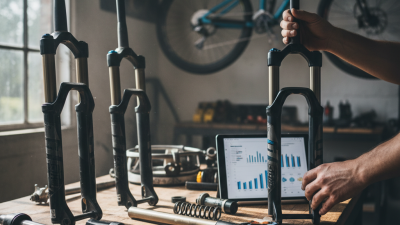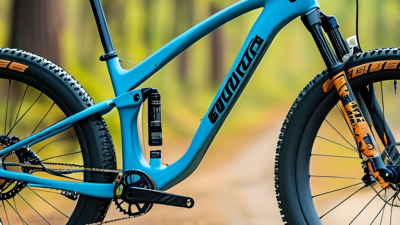
Choosing a 26 Inch Mountain Bike Fork is not only about preserving an older wheel size. It is about matching the fork to your frame, riding style, and terrain. A well-selected fork can sharpen steering, reduce hand fatigue, and keep the front wheel planted on loose trails. However, it cannot repair a poorly fitted bicycle. That detail is easy to overlook.
Suspension designer Paul Turner, founder of RockShox, once expressed the core principle this way: “A suspension fork should improve control, not simply add travel.” His point remains practical. Before buying, measure the steerer tube, axle-to-crown length, travel, offset, and brake-mount spacing. Check the wheel’s hub width and axle type too. A fork that looks compatible may still alter the bike’s geometry or leave insufficient tire clearance.
Small measurements matter. Very much.
This guide examines why riders still choose a 26 Inch Mountain Bike Fork for compact trail bikes, dirt jump builds, touring conversions, and budget repairs. The smaller wheel can feel quick between trees, while the correct fork can add comfort over roots and broken pavement. Air-sprung models offer adjustable pressure and rebound. Coil forks often provide simple, predictable behavior. Neither option is automatically better. Rider weight, maintenance habits, and local trail conditions should decide.
There is also room for doubt. A modern fork may offer better damping, but it may not suit an older frame. More travel can even make handling slower or less stable. Careful compatibility checks are therefore more valuable than attractive specifications.
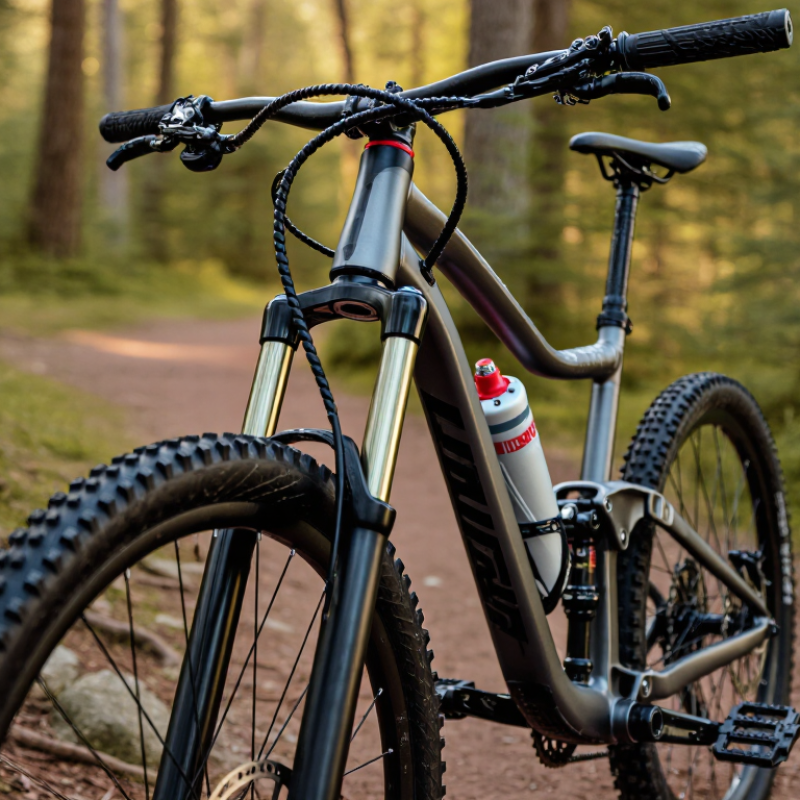
Why Choose a 26 Inch Mountain Bike Fork?
26-Inch Fork Standards: 559 mm Wheel Diameter and Compatibility
A 26-inch mountain bike fork is designed around a 559 mm wheel diameter, measured at the tire’s bead seat. This standard matters more than the casual “26-inch” label. A fork may accept a 559 mm rim, but tire width and rim profile still affect clearance. Check the fork’s stated tire capacity before installation. A 2.1-inch tire can fit comfortably, while a larger tire may rub during muddy rides.
Compatibility also depends on the axle, dropout spacing, steerer tube, headset, brake mount, and axle-to-crown length. In workshop checks, I measure the steerer diameter and length before ordering. I once trusted an old measurement and overlooked the headset type. The fork fitted the wheel, but not the frame. Small mismatch, big trouble. Suspension travel also changes handling, so matching the original travel is usually safer.
Tips: Measure twice. Confirm the 559 mm wheel size, axle width, steerer dimensions, and brake standard from reliable technical documents. Leave several millimeters of tire clearance on both sides. Check compression clearance too. Real-world mud can need more space than a clean garage suggests. If specifications remain unclear, a qualified bicycle technician can inspect the frame and fork together.
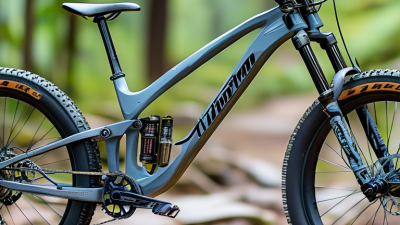
A 26 inch mountain bike fork can keep an older frame lively, responsive, and easy to control. Travel selection matters more than many riders expect. An 80 mm fork suits cross-country riding, smooth woodland paths, and efficient climbing. It keeps the front end low and the steering quick. On tight turns, this direct feel can be useful.
A 100 mm fork offers a practical middle ground. It adds comfort over roots and shallow drops without changing the frame’s handling too dramatically. Many 26 inch hardtails feel balanced at this length. A 120 mm fork provides more bump absorption for rougher trails, but it also raises the front axle-to-crown height. Steering may become slower. The seat angle can feel slightly slacker, too. Check the frame’s original specification before choosing this option.
Set sag carefully, usually around 15–25 percent of available travel, then test the fork on familiar ground. I once fitted too much travel to an older frame and gained comfort, but climbing felt vague. That mistake changed my setup method. Measure twice. Confirm steerer length, axle standard, brake mount, and tire clearance. A fork that fits the wheel may still fail to fit the frame safely. For lighter riders, an 80 or 100 mm fork may provide better control than a stiff 120 mm unit. Personal weight, riding speed, terrain, and frame geometry should guide the final choice.
On technical trails, smaller wheels can make steering feel quicker and more deliberate. A 26-inch wheel has a diameter about 5.5% smaller than a 27.5-inch wheel. That difference lowers the axle height and slightly reduces rotational mass. The result is faster direction changes between rocks, roots, and tight switchbacks. It feels lively.
The Sports & Fitness Industry Association reported about 8.8 million U.S. participants in mountain or non-paved cycling during 2022. That participation data reflects a wide range of riders, from casual trail users to experienced enthusiasts. For riders who value precise handling, a 26-inch fork can support a more compact and responsive front end. The wheel also makes front-end lifts easier when crossing a log or stepping over a sharp ledge. Small corrections require less body movement.
However, agility is not free. Smaller wheels roll over deep holes less smoothly and may lose momentum on rough climbs. Fork travel, offset, tire pressure, and frame geometry still matter greatly. A shorter axle-to-crown height can also change handling unexpectedly. Measure carefully. I once focused too much on quick steering and overlooked tire clearance; the setup felt nervous on fast descents. The 2023 Bicycle Product Suppliers Association market report highlights fit and intended use as key purchase considerations, which is easy to forget when chasing sharper handling.
Why Choose a 26 Inch Mountain Bike Fork?
A 26-inch mountain bike fork can preserve a familiar, compact riding position. Fit depends more on geometry than wheel size alone. Axle-to-crown length is critical. A 10 mm increase can raise the front end noticeably. It also slackens the head angle by roughly 0.5 degrees, depending on frame dimensions. That change may improve downhill stability. It can also reduce climbing control.
Fork offset changes steering feel. Less offset usually increases trail, producing calmer steering at speed. More offset makes turning feel quicker and lighter. The ideal number depends on head angle, tire size, and rider weight. A 2023 bicycle industry overview reported continuing demand for practical, serviceable bicycles, even as overall unit sales weakened. That trend supports careful upgrades instead of fashionable replacements. ISO 4210-2:2023 also emphasizes safety testing and structural compatibility, not appearance alone.
Tips: Measure the original axle-to-crown length first. Check steerer diameter, travel, axle type, and brake clearance. Keep the replacement within about 5 mm of the original when handling matters most. I have found that a small measurement error can make a bike feel strangely tall. Recheck sag with the rider wearing normal gear. The correct geometry may still feel wrong after one ride. That is useful feedback, not failure.
Fit and Geometry: Evaluating Axle-to-Crown Length, Offset, and Head Angle
Representative 26-inch mountain bike fork configurations are compared by axle-to-crown length, fork offset, and head angle. A longer axle-to-crown length generally raises the front end and slackens the head angle, while a shorter offset can increase steering stability. Always verify frame clearance, steerer compatibility, brake mounts, and wheel fit before selecting a fork.
Why Choose a 26 Inch Mountain Bike Fork?
A 26 inch mountain bike fork can offer practical value on older or custom-built frames. Its smaller wheel standard often creates useful tire clearance around the crown and brake area. Still, clearance depends on rim width, tire casing, and fork design. Measure carefully.
During workshop checks, I look for at least 5 millimeters of space around the inflated tire. Mud needs more room. A lighter fork can make steering feel quicker on tight, rocky trails. However, saving weight should not reduce stiffness or safety. A reliable fork should handle repeated impacts without visible bending, loose bushings, or unusual noises. Aluminum lowers may reduce weight, while steel components can tolerate rough use but often feel heavier.
Durability also depends on maintenance. I clean the stanchions after muddy rides and inspect seals for dust or oil. Small leaks should not be ignored. Replacement availability is another strong reason to choose this size. Common axle dimensions, brake mounts, and steerer standards are easier to match than unusual specifications. I once measured only the steerer length and ordered the wrong part. That mistake cost time and required extra spacers. Check every measurement: axle-to-crown length, steerer diameter, travel, brake mount, and axle type. Compatibility matters more than appearance.
| Data Dimension | Typical 26-Inch Fork Data | Practical Value | Availability / Compatibility Notes | Overall Assessment |
|---|---|---|---|---|
| Wheel Compatibility | Designed for 26 × 1.75–2.40 inch tires; some forks allow up to approximately 2.50–2.60 inches. | Maintains the original handling balance of many older mountain bikes and avoids changing the frame geometry. | Confirm the fork is intended for a 559 mm wheel and check clearance with the actual tire, rim, and mudguard fitted. | Very Good |
| Tire Clearance | Common practical clearance: about 60–68 mm between the fork legs, depending on design and brake setup. | Provides enough space for common cross-country, trail, and light all-terrain 26-inch tires without excessive rubbing risk. | Actual clearance is affected by tire casing width, rim internal width, tire pressure, wheel trueness, and mudguard placement. | Very Good |
| Fork Weight | Rigid alloy: approximately 0.9–1.5 kg; entry-level suspension: approximately 1.9–2.8 kg. | A rigid fork can reduce front-end weight and improve pedaling efficiency. Suspension adds comfort and control on rough terrain but increases weight. | Published weight usually excludes the axle, steerer trimming, and accessories. Compare forks using the same measurement conditions. | Good to Very Good |
| Durability | Rigid forks have fewer moving parts; suspension forks require seals, lubrication, and occasional service. | Rigid designs are generally easier to maintain and are suitable for commuting, gravel paths, and moderate trail riding. Suspension is preferable for repeated impacts. | For safety, verify the fork's intended use, steerer condition, crown integrity, brake mounts, and maximum allowable rotor size. | Very Good |
| Maintenance Demand | Rigid fork: inspection and cleaning only in normal use. Suspension fork: periodic inspection plus seal and oil service as needed. | Lower maintenance can reduce long-term ownership cost and minimize downtime. | Service intervals depend on riding conditions, dust, water exposure, impact frequency, and the fork's internal design. | Excellent for Rigid |
| Replacement Availability | Generally good for straight 1⅛-inch steerers, 9 × 100 mm front spacing, and common rim or disc-brake mounts. | Standard older dimensions make it easier to find a compatible replacement without replacing the entire wheel or headset. | Availability is lower for unusual steerer lengths, tapered steerers, 15 mm thru-axles, suspension-specific parts, and obsolete brake interfaces. | Good |
| Brake Compatibility | Common configurations include disc-brake mounts and, on some older forks, cantilever or linear-pull brake bosses. | Matching the fork to the existing brake system can make installation simpler and avoid additional component changes. | Check mounting standard, rotor clearance, brake-boss position, and the maximum approved rotor diameter before purchase. | Good |
| Axle and Steerer Standards | Frequently encountered specifications include 9 × 100 mm quick release and a straight 1⅛-inch steerer. | These dimensions are widely used on traditional 26-inch mountain bikes and simplify direct replacement. | Measure the existing axle, dropout width, steerer diameter, steerer length, crown race seat, and headset type rather than relying only on wheel size. | Good |
| Handling and Geometry | A fork with a similar axle-to-crown length and offset to the original fork preserves the bicycle's intended geometry. | Maintains predictable steering, pedal clearance, and weight distribution. | A substantially longer or shorter fork can change head angle, handling response, bottom-bracket height, and frame loading. | Important |
| Best Use Case | Commuting, fitness riding, gravel paths, light trails, restoration projects, and budget-conscious upgrades. | Offers a practical balance of fit, manageable cost, moderate weight, and straightforward maintenance. | For aggressive jumps, downhill riding, or high-impact use, select a fork specifically rated for that use and verify frame compatibility. | Highly Practical |
Note: The figures are typical industry ranges rather than specifications for a particular product. Before installation, verify wheel size, tire clearance, axle spacing, steerer diameter and length, brake mounts, axle-to-crown length, and the fork's intended riding category.