How to Choose the Best Bike Suspension Front for Your Ride?
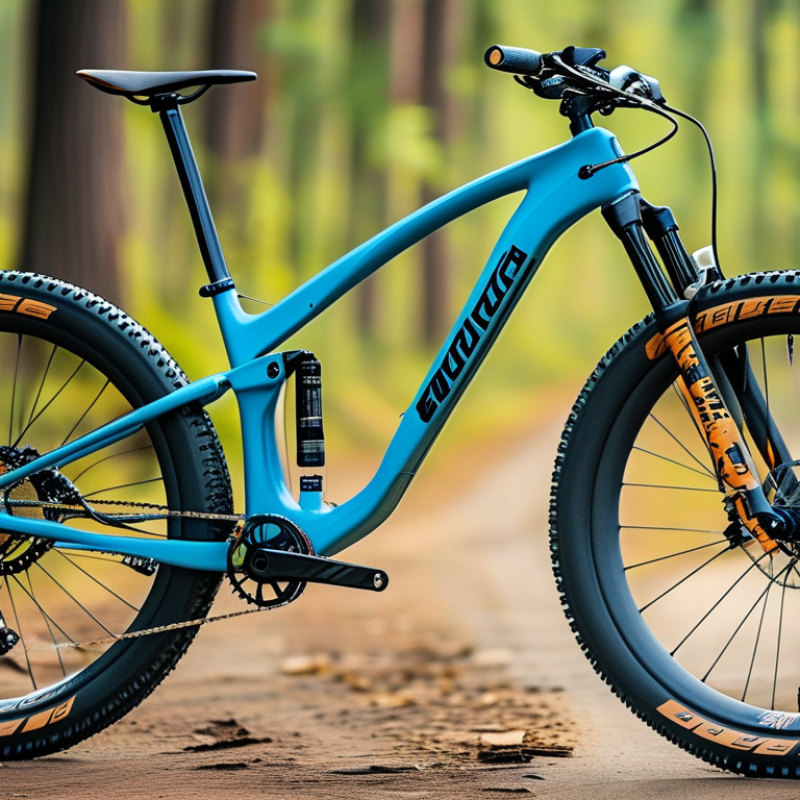
Choosing the right bike suspension front can greatly enhance your riding experience. It plays a crucial role in handling and comfort. A good suspension system absorbs shocks and keeps your wheels on the ground. When selecting, consider your riding style and terrain.
Different bikes require different suspension types. Some riders prefer soft suspensions for a smooth ride, while others need stiffer setups for better performance on rough trails. Don't overlook your weight. Heavier riders might need a stronger suspension to ensure proper functioning.
You might feel overwhelmed by options. It's important to seek advice from experienced riders or experts. Trying various setups can also help you understand what works best. Reflections on past rides reveal how critical suspension choice can be. The right bike suspension front can transform your ride from average to exceptional.
Understanding Different Types of Front Bike Suspension Systems
When selecting front bike suspension systems, understanding their types is essential. There are generally two main types: rigid and suspension forks. Rigid forks offer minimal movement, providing a direct connection to the ground. This option suits road riders seeking speed and efficiency. However, they can transmit bumps, causing discomfort over rough terrain.
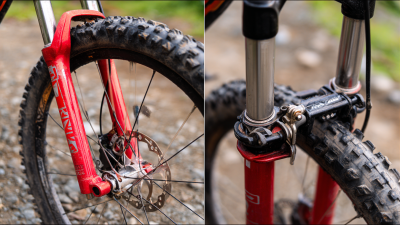
In contrast, suspension forks absorb shocks, enhancing comfort and control. They come in two varieties: coil and air. Coil forks use a metal spring for support, delivering a smooth ride. However, they can be heavier and less adjustable. Air forks, on the other hand, allow for better customization based on rider weight. They can be lighter and provide a more tailored experience.
Choosing the right suspension system can be challenging. Some riders prefer the simplicity of rigid forks. Others may struggle with finding the right settings on suspension forks. It’s essential to test different options. Each rider's experience varies significantly based on personal preferences and riding style.
Evaluating Your Riding Style and Terrain for Suspension Choice
Choosing the right front suspension for your bike is essential. Your riding style and terrain play crucial roles in this decision. If you’re an aggressive rider on rugged trails, you’ll need a suspension that absorbs the impact effectively. A stiffer setup might be preferable if you favor speed on smooth paths.
Consider your terrain. For rocky and uneven surfaces, a suspension with more travel will handle bumps better. You might notice that a softer suspension can enhance comfort but might compromise speed. It’s a balancing act. Riders often overlook personal comfort levels.
Reflect on your riding habits. Do you lean toward technical climbs or fast descents? Each choice influences suspension type. It’s important to test different setups. While advice is helpful, feel is vital. Choosing suspension requires patience and experimentation. Riding style isn’t static; it evolves with experience. Tune your bike to match your growth as a rider.
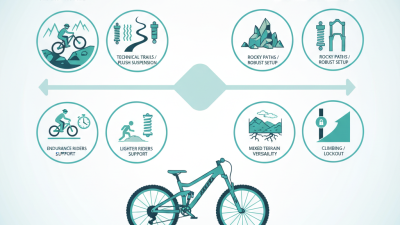
Bike Suspension Type Preference Based on Riding Style
Key Features to Consider in Front Suspension Technology
Choosing the right front suspension for your bike is crucial for a better ride experience. Various technologies define how effective a suspension can be. Understanding these key features helps you make an informed decision.
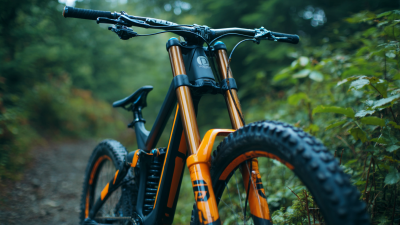
One essential feature is suspension travel, which typically ranges from 80mm to 200mm. A good travel length absorbs bumps effectively. Riders should consider their riding style. For smoother terrains, shorter travel often suffices. Conversely, aggressive trails require more travel. Moreover, the spring rate is vital. A correct spring rate balances comfort and control. Too soft, and you’ll bottom out; too stiff, and the ride becomes harsh.
Tips: Test ride bikes with different suspensions. Feel how each type performs on varied terrains. Balance comfort with control.
Compression and rebound adjustments also matter. These allow tweaking the suspension to your personal preferences and weight. Research indicates that 85% of riders benefit from tuning adjustments. Don’t overlook the weight of the suspension system. Lighter options enhance performance but may compromise durability.
Tips: Look for reviews. User experiences can reveal hidden issues in specific suspensions. Be cautious about potential drawbacks. Not every suspension fits every rider perfectly.
Tips for Testing and Adjusting Suspension Settings Before Riding
Testing and adjusting your bike’s front suspension is crucial for a comfortable ride. Start by checking sag, which is the initial compression of your suspension under your weight. Sit on the bike in your riding gear and let it settle. Measure the distance from the top of the suspension to the fork seal. You want this to be around 20-30% of the total travel for optimal performance.
Next, adjust the rebound settings. Too fast and the bike bounces back, leading to loss of control. Too slow, and the suspension feels sluggish. A good approach is to find a smooth trail. Ride, then fine-tune the rebound until it feels balanced. This can take time and multiple attempts. Each rider’s preference varies, and what feels right may differ from what’s on paper.
Don’t forget compression settings as well. These affect how the suspension reacts to bumps. It's often a trial-and-error process. Make small adjustments and pay attention to how your bike handles different terrains. There might be moments when you feel the ride is off. Reflect on what changes you made and listen to your instincts. Finding the right suspension setup can enhance your cycling experience tremendously.
Popular Brands and Models for Front Bike Suspension Systems
When selecting front bike suspension systems, popular brands offer various options. Notably, top manufacturers emphasize technology and durability. According to a 2022 industry report, about 60% of mountain bikers prefer air suspension for its lightweight advantages. These systems are effective in absorbing shocks on rough terrains.
Some widely recognized models utilize advanced hydraulic dampening. This feature helps riders manage their speed and control on descents. However, some users find these systems complicated to adjust. It’s common for new riders to overlook necessary settings, impacting performance. Misalignment can lead to reduced efficiency.
Additionally, spring-based suspensions remain a favorite for casual cyclists. They provide consistent performance, but they lack the adjustability that many experienced riders seek. An analysis of consumer reports from 2023 highlighted that 40% of cyclists wish they had invested in lighter systems. This not only impacts handling but also the overall riding experience.