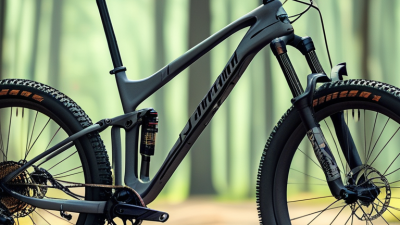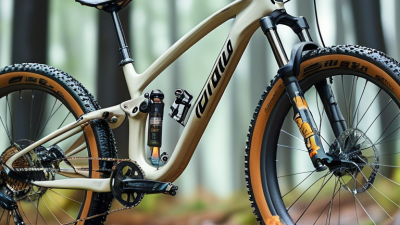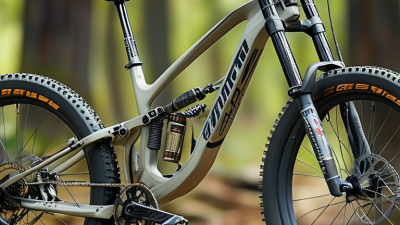
A Bike Suspension Front system is more than a spring beneath the handlebars. It is the front fork’s working network of springs, damping circuits, seals, and moving tubes. Together, these parts help the front wheel follow uneven ground while the rider maintains steering control.
Paul Thede, founder of Race Tech and a respected suspension engineer, describes the principle clearly: “Good suspension keeps the tire working, not merely the rider comfortable.” That idea explains why front suspension matters on rocky trails, broken pavement, and sudden drops. When the wheel strikes a root, the spring compresses and absorbs the first impact. Damping then controls how quickly the fork moves and returns. Without enough damping, the handlebar may bounce sharply. With too much, the fork can feel stiff and slow.
Small adjustments matter.
A rider’s weight, riding style, tire pressure, and terrain all influence setup. A 70-kilogram commuter may need a different air pressure from an aggressive trail rider carrying a backpack. Even the same bicycle can feel different after a temperature change or a change in tire pressure. This is where many explanations become too simple. Bike Suspension Front performance is not controlled by one setting alone.
This guide will explain how front suspension works, what each component does, and how riders can recognize poor setup. It will also consider common compromises, such as comfort versus pedaling efficiency. Some advice may not fit every bicycle. That uncertainty deserves attention, because real suspension tuning often begins with careful observation, not a perfect formula.
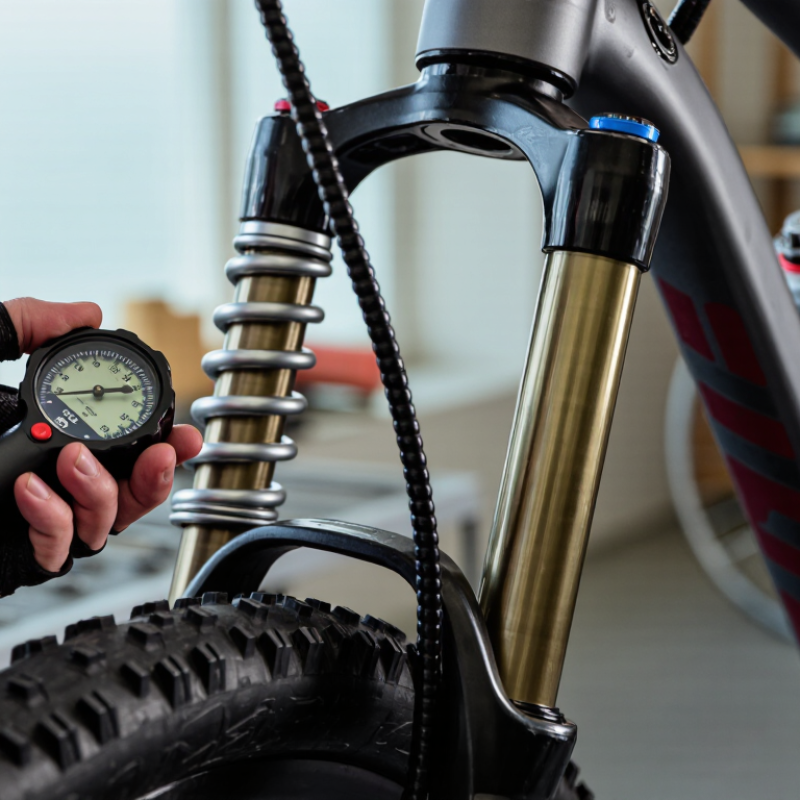
Front bike suspension is the system that lets the front wheel move over uneven ground while the handlebars remain more controlled. A suspension fork usually combines a spring with damping. The spring compresses when the wheel hits a root or stone. Oil-based damping slows that movement, preventing a repeated bouncing motion. Without damping, the bike can feel nervous and lose contact with the trail.
This matters because front suspension affects grip, steering, braking, and rider comfort. On a rough descent, the wheel can follow the ground instead of skipping across it. That extra contact may help the rider brake with greater confidence. It also reduces sharp impacts through the hands and arms. Still, suspension cannot repair poor technique or an unsuitable frame setup. It only gives the tires a better chance to work.
Setup requires careful observation. Measure sag with your normal riding position and equipment. A fork that sits too low may use its travel quickly. Too much air pressure can make small bumps feel harsh. Rebound that is too fast may push the front wheel upward after compression. Too slow can pack the fork down through repeated bumps. Small changes are wiser than dramatic adjustments. I often notice the difference only after riding the same short section twice. The “perfect” setting is rarely permanent. Rider weight, temperature, tire pressure, and trail conditions keep changing.

Front bike suspension uses a spring and a damping system inside the fork to absorb impacts, helping the front wheel maintain contact with the ground. The chart shows representative suspension travel by bike category.
More suspension travel generally supports larger impacts and rougher terrain, while bikes designed for smooth surfaces typically use little or no front suspension.
What Is Front Bike Suspension and How Does It Work?
The Main Components of a Front Suspension Fork
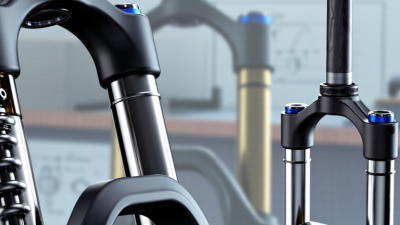
A front suspension fork turns rough impacts into controlled movement. Its steerer tube connects the fork to the frame and handlebar. Two stanchions slide through lower legs, guiding this movement with close tolerances. Inside, a spring supports the rider’s weight. It may be an air chamber or a metal coil. Air pressure changes the fork’s starting firmness, while coil springs usually deliver a more linear feel.
The damper controls rebound and compression. Without damping, the fork would bounce like a pogo stick after each root. Oil passes through small valves, slowing that motion. Low-speed compression can limit brake dive, while rebound adjustment controls how quickly the fork returns. Seals keep grit outside, but they are not perfect. A thin film of dust on a stanchion can become abrasive over time.
Travel describes the fork’s usable movement, often between 100 and 170 millimeters on modern mountain bicycles. A 2024 Grand View Research market analysis estimates continued global growth in mountain biking equipment, increasing demand for reliable suspension components. However, more travel is not automatically better. ISO 4210 testing principles emphasize structural strength and controlled performance, not simply maximum movement. In practice, setup depends on rider mass, terrain, tire pressure, and braking habits. I once treated rebound settings as minor details; on wet roots, that mistake made the front wheel feel strangely nervous.
| Component or Feature | Primary Function | How It Works | Common Materials or Types | Important Consideration |
|---|---|---|---|---|
| Crown | Connects the two fork legs and joins them to the steering assembly. | It transfers steering input and braking forces between the fork legs and the bicycle frame. | Aluminum alloy, steel, or carbon fiber on some lightweight designs. | Its stiffness affects steering precision and front-end stability. |
| Steerer Tube | Connects the fork to the bicycle frame and handlebar stem. | The steerer rotates inside the head tube through the headset, allowing the rider to steer. | Usually steel, aluminum alloy, or carbon fiber. | The diameter and length must match the frame and headset. |
| Stanchions | Provide the sliding upper tubes of the suspension system. | They move vertically inside the lower legs as the fork compresses and rebounds. | Hard-anodized aluminum or steel with a smooth, wear-resistant surface. | Clean surfaces help reduce seal wear and maintain smooth movement. |
| Lower Legs | House the bushings, seals, and lower portions of the suspension system. | They guide the stanchions while supporting the front wheel and transmitting braking loads. | Magnesium alloy, aluminum alloy, or steel. | Damage or excessive play can affect handling and braking performance. |
| Spring Assembly | Supports the rider and absorbs impacts from uneven terrain. | A coil spring or compressed air element stores energy during compression and pushes the fork back toward its original position. | Steel coil spring or an air spring using pressurized air. | Spring rate or air pressure should suit rider weight and riding conditions. |
| Damping Cartridge | Controls the speed of compression and rebound. | Oil passes through small ports or valves, creating resistance that controls suspension movement. | Hydraulic oil, valves, shims, and a sealed or serviceable cartridge. | Too little damping can feel bouncy; too much can make the fork feel harsh or slow. |
| Dust Wipers and Oil Seals | Keep dirt and moisture out while retaining lubrication and damping oil. | Flexible sealing lips contact the stanchions as they slide through the lower legs. | Synthetic rubber or other elastomer compounds. | Worn or contaminated seals can cause friction, leakage, and reduced performance. |
| Guide Bushings | Keep the stanchions aligned inside the lower legs. | Low-friction bushings support the sliding tubes and limit side-to-side movement. | Engineered polymer or metal-lined materials. | Excessive looseness may indicate bushing wear and require servicing. |
| Dropouts or Axle Mounts | Secure the front wheel to the fork. | They position the axle and transfer wheel, braking, and cornering forces into the fork. | Forged or machined aluminum alloy, steel, or magnesium alloy. | The axle standard must match the fork, hub, and wheel. |
| Compression Adjustment | Tunes how readily the fork compresses under impacts and braking. | An adjustable valve changes oil flow during the compression stroke. | Mechanical adjuster connected to a hydraulic valve. | Settings should balance comfort, control, and resistance to excessive brake dive. |
| Rebound Adjustment | Controls how quickly the fork extends after compression. | A valve restricts oil flow during extension, regulating the return speed. | Hydraulic valve with an external dial on adjustable designs. | The fork should return quickly enough to follow terrain without bouncing uncontrollably. |
A front suspension fork connects the handlebars and frame to the front wheel. Its main job is to absorb impacts and control wheel movement. When the tire meets a root or broken edge, the fork compresses instead of forcing the entire bike upward. A spring supports the rider’s weight, while damping slows the fork’s movement. Without damping, the fork could bounce repeatedly after one impact. That would reduce steering accuracy and tire contact.
Inside the fork, oil passes through small valves as the fork moves. Compression damping controls how quickly it sinks during a hit or braking. Rebound damping controls how fast it extends afterward. The wheel should move freely over rough ground, but it must not flap wildly. Correct movement keeps the tire pressed against the surface, improving braking and cornering. I once used a setting that felt comfortable on smooth trails, yet it moved too slowly on rocky descents. The mistake was assuming comfort always meant control.
Tips: Set sag with your normal riding position and equipment. Check it before changing other adjustments. Add rebound control gradually, using one click at a time. If the fork returns too quickly, the front wheel may feel nervous. If it returns too slowly, repeated bumps can make the fork sink deeper. Keep the stanchions clean and inspect for oil or damage. Small setup notes help, although my own early measurements were not perfectly consistent.
Front suspension uses a spring and damping system to reduce impacts at the handlebars. It keeps the front wheel closer to the ground on rough trails. That improves steering control, braking confidence, and rider comfort.
The most common design is the telescopic fork. Its two sliding tubes move upward when the wheel hits an obstacle. Coil springs feel predictable and often suit heavier loads or simple maintenance. Air springs are lighter and allow precise pressure adjustment. However, they need regular pressure checks. Oil damping controls the fork’s movement after compression. Without damping, the fork can bounce like a pogo stick.
Oil damping controls the fork’s movement after compression. Without damping, the fork can bounce like a pogo stick.
Some bicycles use linkage suspension instead of sliding tubes. Small pivots guide the wheel through its travel, which can improve stiffness and braking behavior. This system is mechanically more complex and may require careful pivot inspection. Inverted forks place larger tubes near the wheel, increasing support during hard impacts. They can also expose sensitive parts to dirt and damage. A rigid fork has no suspension at all. It feels direct and efficient on smooth roads, but transfers more vibration to the rider.
Travel length also creates major differences. Short-travel forks suit commuting and light gravel. Long-travel forks absorb deeper rocks and drops, but add weight and can change steering response.
My own preference is not universal. A softer setting feels comfortable, yet it may reduce climbing control. Setup depends on terrain, rider weight, tire pressure, and maintenance habits. Small adjustments matter.
Front bike suspension uses a spring and damping circuit to control impacts at the front wheel. The spring supports your weight. Damping controls how quickly the fork compresses and returns. Setup decides whether the wheel tracks the ground or skips across it.
Start with manufacturer-recommended air pressure, then measure sag in riding clothing. Trail bikes commonly use about 20–30% sag, while rougher riding may need more. These figures are practical industry ranges, not universal laws. A 2023 PeopleForBikes participation report counted 112 million American riders in 2022, showing why basic setup knowledge matters beyond racing. Record pressure, rebound clicks, and temperature. Small changes become easier to judge.
Maintenance protects that performance. Wipe the stanchions after every muddy ride. Inspect seals for grit, oil rings, or dry movement. A 2022 technical review published through ISO 4210 testing guidance reinforces regular inspection of steering and suspension-related components, although it does not prescribe one service interval. Follow the fork maker’s service schedule, especially after dusty or wet rides. I still sometimes add too much rebound damping. The bike then feels calm, but roots disappear beneath the tire. That mistake taught me to change one setting at a time. Fresh lubricant helps, but it cannot repair worn bushings or contaminated oil. Test the fork on the same short section after each adjustment. Feel matters. Measure it too.