Top 10 Bike Fork Types for Every Cyclist's Needs?
Choosing the right bike fork can greatly impact a cyclist's performance and comfort. Renowned cycling expert Dr. Sarah Thompson states, "The bike fork is crucial for efficiency and handling." This highlights the importance of understanding various bike fork types. Each cyclist has unique needs, making the selection process significant.
From mountain biking to road cycling, each discipline requires different fork characteristics. Some cyclists may prioritize light weight, while others seek durability. The perfect bike fork balances these factors, enhancing the ride quality for each individual. Consider your riding style, terrain, and preferences when exploring options.
While many cyclists focus on bicycle frames and wheels, the bike fork often gets overlooked. This lack of attention can lead to suboptimal performance. Reflecting on this can provide insight into your riding experience, motivating you to explore various bike fork types tailored to your specific needs.
Types of Bike Forks: An Overview of Their Functions and Designs
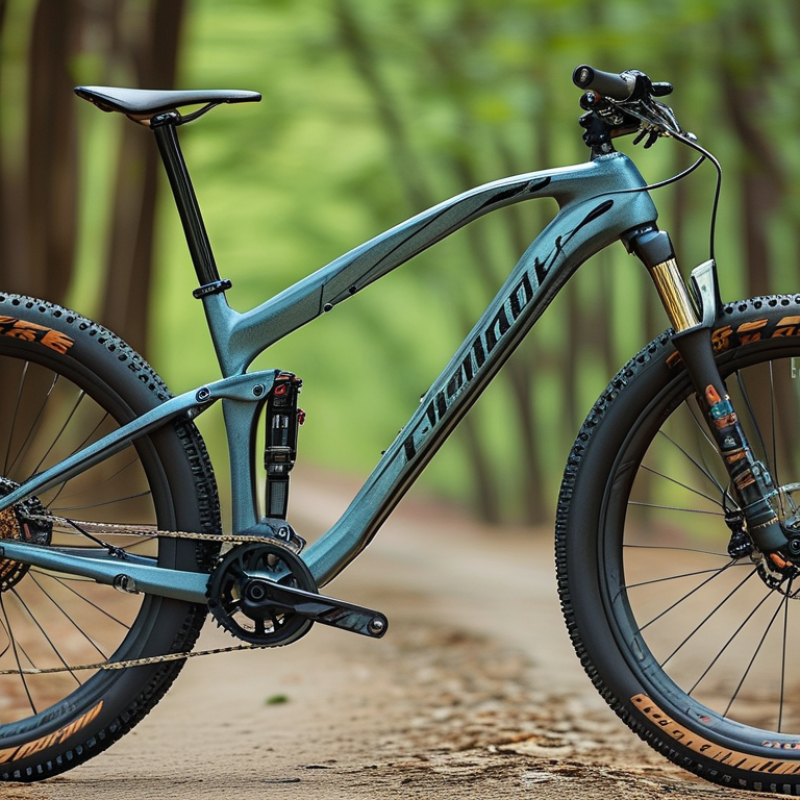
Bicycle forks play a crucial role in ride quality and handling. They are designed to absorb bumps and increase stability. There are various types of bike forks tailored to different cycling styles. Rigid forks are simple and light, making them ideal for road cycling. They lack suspension, which can be a downside on rough terrain.
Suspension forks, on the other hand, provide cushioning. This is beneficial for mountain biking, where trails can be unpredictable. However, they add weight and complexity. Some riders prefer a unique blend: the hybrid fork. It combines features to cater to a range of terrains. Choosing the right fork type depends on your specific needs.
Not every cyclist may realize the impact of a fork's design on performance. A heavier fork can slow you down, while a poorly designed one might compromise handling. Fork material is another factor. Carbon fiber offers strength and weight savings but can be expensive. It's important to reflect on what matters most when selecting a fork.
Rigid Forks: Advantages and Disadvantages for Cyclists
Rigid forks are a popular choice among cyclists for their simplicity and durability. They provide a direct connection between the bike and the road. This stability allows for precise steering, which is advantageous for experienced riders. However, the lack of suspension can make rough terrains a challenge. Riders often feel every bump in the road.
One of the main advantages of rigid forks is their lightweight design. This can greatly enhance performance, especially for racing situations. Cyclists seeking speed appreciate this characteristic. On the other hand, rigid forks have limitations. They absorb less shock compared to suspended forks. This can lead to fatigue during long rides on uneven surfaces.
Choosing a rigid fork often requires careful consideration. Some cyclists may prefer the comfort of suspension forks. Others, however, might enjoy the efficiency and control that rigid forks offer. It’s important to weigh these factors based on personal riding style and terrain. Rigid forks can be a great asset, but they are not without their drawbacks. Understanding these nuances helps in making an informed choice.
Suspension Forks: Understanding Travel and Adjustability
Suspension forks are crucial for cyclists seeking comfort and control. They cushion the ride over rough terrain, absorbing shocks that would otherwise jolt the rider. Understanding travel and adjustability is important in selecting the right fork for your needs. Travel refers to the distance the suspension can compress and rebound. More travel provides a smoother ride on bumpy trails but may hinder efficiency on smooth roads.
Adjustability is another key aspect. Many suspension forks offer settings to customize the ride. These settings can be tailored to rider weight, terrain type, and personal preference. However, it’s vital to recognize that a highly adjustable fork may require frequent tuning. New cyclists might find this overwhelming. Striking the right balance between comfort and performance is crucial. A fork with too much travel can make a bike sluggish on flat surfaces, while too little may lead to a harsh ride on rugged paths.
Cyclists should consider their typical riding conditions before making a choice. Take time to experiment with different settings. Reflect on how each adjustment changes your riding experience. Gathering feedback from other riders can also enhance your understanding of what works best for you. Instead of settling for a one-size-fits-all solution, embrace the learning process that comes with finding the perfect suspension fork.
Single Crown vs. Double Crown Forks: Which is Right for You?
Choosing between single crown and double crown forks can significantly affect your riding experience. Single crown forks are lighter and provide better maneuverability. They're often favored by cross-country riders aiming for speed and efficiency. According to a report by the Bicycle Manufacturers Association, single crown forks account for about 70% of the market share in this segment. Their streamlined design helps reduce weight, critical for climbs and long rides.
On the other hand, double crown forks offer enhanced stability and strength. They are a popular choice for downhill and enduro riders who prioritize control at high speeds. The National Bicycling Association notes that these forks provide greater stiffness, especially during rough descents. Riders often report improved handling on challenging terrain. However, the added weight can be a concern for some.
Having the right fork type is a crucial decision. Riders need to consider their specific needs. Factors like terrain, riding style, and personal preference play a vital role. Many cyclists struggle with this choice, leading to a trial-and-error process. It's important to weigh the pros and cons of each option. Riders should also reflect on their long-term goals in cycling to ensure their choice aligns.
Material Choices for Bike Forks: Steel, Aluminum, and Carbon Explained
When choosing bike forks, material significantly impacts performance and durability. Steel, aluminum, and carbon each offer unique advantages and disadvantages.
Steel forks are known for their strength and comfort. They absorb road vibrations well, making for a smooth ride. However, they are heavier than other materials. According to a recent industry report, about 30% of cyclists prefer steel for touring bikes.
Aluminum is lighter and provides good stiffness. This material is favorable for racers who prioritize speed. An estimate suggests that aluminum forks can save riders up to 1 pound compared to steel. Yet, they can sometimes transmit vibration more than steel, which might affect comfort on rough terrain. Cyclists often report feeling a difference in ride quality depending on the fork.
Carbon fiber, on the other hand, excels in weight reduction and stiffness. It is the top choice for high-performance racing bikes. While carbon provides a plush feel, it is also more prone to damage from impacts. Many avid riders debate the longevity of carbon versus steel. Reflecting on your riding style is crucial. What feels best for one cyclist may not suit another.
Consider your terrain and riding style when selecting materials. Each cyclist's needs vary. Steel may work wonders for casual rides, while carbon may be ideal for competitive racing. Understanding these materials enables better choices for enjoyable rides.