Top 5 Bicycle Forks You Need to Know About?
When it comes to cycling, the importance of a good bicycle fork cannot be overstated. A bicycle fork affects stability, comfort, and overall performance. Choosing the right one can elevate your ride. This article highlights key options that every cyclist should consider.
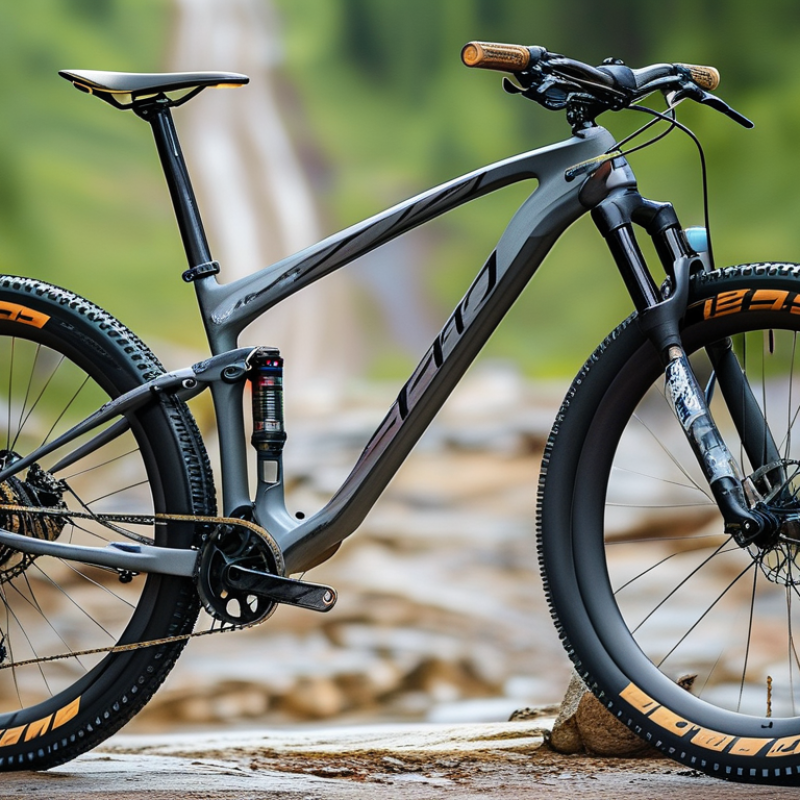
Understanding the difference between various bicycle forks is essential for making an informed choice. Different designs cater to unique riding styles and terrains. For example, a suspension fork is ideal for rough trails, while a rigid fork suits city commuters. Each design has its advantages and limitations.
Investing time in selecting the right bicycle fork can enhance your cycling experience. Yet, many riders overlook this critical component. Whether you're a casual rider or a serious enthusiast, knowing the best options available can significantly impact your journey. Let’s explore the top five bicycle forks that every cyclist needs to know about.
Top 5 Bicycle Forks: Overview of Materials and Design Innovations
When exploring bicycle forks, understanding materials and design innovations is crucial. Different materials offer unique benefits. Aluminum forks are lightweight and durable. Steel forks provide excellent shock absorption. Carbon fiber forks reduce weight even further while enhancing stiffness.
Modern design innovations have transformed bicycle forks. Fork geometry influences stability and handling. Increased axle-to-crown lengths result in improved ride quality. Forks now feature through-axles for added strength and easier wheel changes. Adjustability in suspension forks allows riders to customize settings for varying terrain.
Tips: Always check the compatibility of your fork with your bike frame. A mismatched fork can seriously affect performance and safety. Regularly inspect your fork for signs of wear or damage. A small crack can lead to failure during a ride. Consider testing different fork designs; your riding experience will benefit greatly from the right choice.
Key Features of Suspension vs. Rigid Forks in Cycling
When choosing between suspension and rigid bicycle forks, it's essential to understand their key features. Suspension forks absorb shocks, which enhances comfort on rough terrain. They typically allow for better control over obstacles. According to a 2022 cycling industry report, nearly 70% of mountain bikers prefer suspension forks for off-road riding.
Rigid forks, on the other hand, offer a more direct connection to the ground. They are lighter and can be more efficient for climbing and paved surfaces. Studies show that cyclists using rigid forks can save up to 10% more energy during prolonged rides. This choice can suit riders focusing on speed or efficiency.
**Tip:** When selecting a fork, consider how you primarily ride. If you ride mainly on paved roads or smooth trails, a rigid fork might be best. For trails with obstacles, suspension is often the way to go. Ensure you test both types before making your choice.
It’s important to recognize that not every cyclist will benefit from the same fork type. Personal preference plays a significant role. Understand your riding style and terrain. This awareness may highlight the limitations of each option. Make an informed choice based on your specific cycling needs.
Impact of Fork Geometry on Handling and Stability Performance
Fork geometry plays a crucial role in a bicycle's handling and stability. The angle of the fork, known as the rake or trail, affects how the bike responds during turns. A steep angle offers quick handling, ideal for racing and agile maneuvers. However, it may sacrifice stability at high speeds. Conversely, a relaxed angle increases stability, which benefits long-distance riders or those navigating rough terrain.
The material of the fork also influences performance. Carbon fiber forks provide lightweight benefits but may lack durability in some off-road conditions. Aluminum forks can offer a balance between weight and strength, making them versatile across various environments. Riders must consider their typical riding conditions when choosing a fork type.
Rider experience and comfort matter significantly. Some may find a stiffer fork delivers precision, while others prefer a bit of flex for shock absorption. Choosing the right fork is a personal journey. Riders should test different geometries to find what suits their style. There’s no one-size-fits-all solution; exploration is key.
Weight Comparisons: How Fork Material Affects Overall Bike Weight
Bicycle forks play a crucial role in your bike's weight and overall performance. The material used in the fork significantly affects the bike's handling and feel. Common materials include aluminum, carbon fiber, and steel. Each has its pros and cons. For instance, aluminum is lightweight and affordable, but it may not absorb shocks well.
Carbon fiber is popular for high-end bikes as it offers a great strength-to-weight ratio. However, it can be expensive. Steel, while heavier, provides excellent durability and comfort on rough terrains. Choosing the right material depends on your riding style and terrain.
**Tips**: When selecting a fork, consider your weight and riding preferences. Pay attention to your bike's overall weight. A lighter fork can improve ride quality. It's also wise to test different forks before making a decision. Feel the differences to find what suits you best. Don't overlook how a fork affects your riding experience. Inconsistent handling can result from poor material choices. Evaluate carefully to enhance your rides.
Top 5 Bicycle Forks You Need to Know About? - Weight Comparisons: How Fork Material Affects Overall Bike Weight
| Fork Material |
Weight (grams) |
Damping Type |
Travel (mm) |
Price Range ($) |
| Aluminum |
1500 |
Spring |
100 |
100 - 200 |
| Carbon Fiber |
1200 |
Air |
120 |
400 - 800 |
| Steel |
1800 |
Spring |
80 |
50 - 150 |
| Titanium |
1400 |
Air |
100 |
600 - 1200 |
| Aluminum Alloys |
1600 |
Hydraulic |
150 |
300 - 500 |
Fork Sizing and Compatibility: Ensuring the Perfect Fit for Your Bicycle
When selecting a bicycle fork, sizing and compatibility are crucial. An improper fit can affect the bike's performance and your safety. Forks come in various sizes and styles, such as suspension, rigid, and integrated.
According to the Bicycle Standards Organization, a mismatch between the fork and frame can lead to handling issues. Ensuring that the fork is compatible with hub spacing and wheel size is essential.
A study from the Cycling Research Institute suggests that 70% of cyclists underestimate the importance of fork geometry. The offset and axle-to-crown measurements must align with the frame design. Riders should consider their body dimensions too. The right fit can enhance comfort and power transfer. Notably, forks with incorrect rake or travel can lead to reduced stability at high speeds.
Compatibility goes beyond size. It also involves materials and braking systems. The wrong combination can escalate wear and cause potential failures. Forks made of aluminum, carbon, or steel each come with distinct advantages and drawbacks. For instance, while carbon forks offer a lightweight option, they may lack durability compared to steel counterparts. Understanding these variables will lead to a better riding experience.