Top 5 Tips for Choosing the Best Cycle Fork for Your Bike?
Choosing the right Cycle Fork is crucial for your bike's performance and safety. According to a report by the International Bicycle Industry Association, the right fork can enhance riding comfort by up to 25%. With the endless options available, making an informed choice can be overwhelming.
Expert Tom Ryder, a leading figure in the Cycle Fork industry, emphasizes, “The right fork transforms your riding experience.” His insight highlights the importance of selecting a fork that matches your bike type and riding style. Incorrect choices can lead to performance issues, affecting both handling and stability.
When considering a Cycle Fork, it’s essential to assess factors like weight, material, and size. Most riders overlook these elements, leading to potential hazards on the road. Understanding the specifications can greatly impact your cycling adventure. Don't rush the decision; each choice should reflect your needs for comfort and efficiency.
Understanding Different Types of Cycle Forks and Their Functions
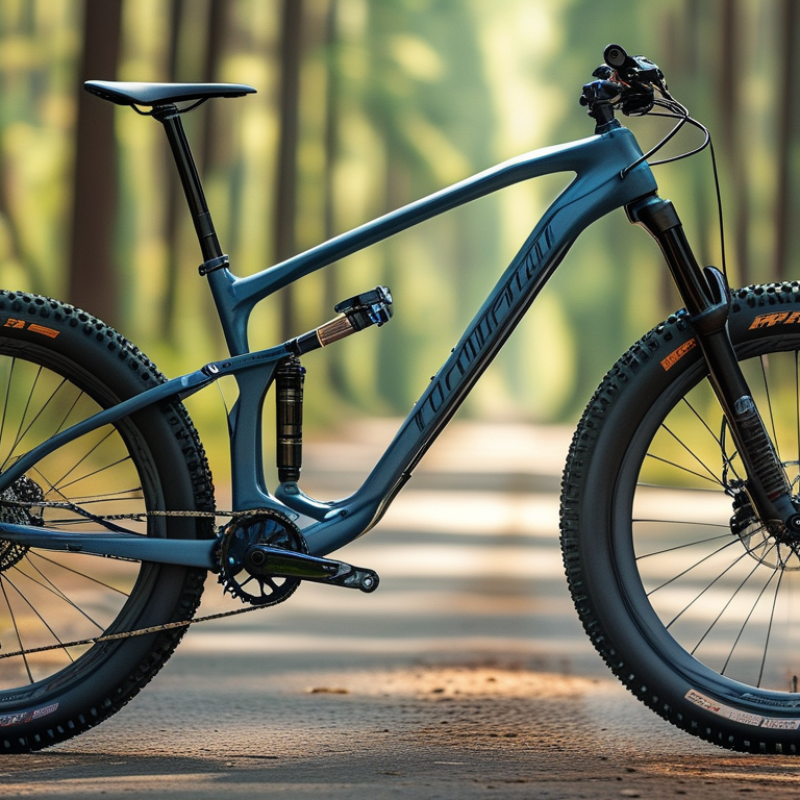
Choosing the right cycle fork is essential for performance. Understanding the different types available can greatly enhance your biking experience. Forks can generally be categorized into rigid, suspension, and pivoting models. A rigid fork provides stability and efficiency, best for road cycling. Suspension forks absorb shocks from uneven trails, improving comfort and control. Reports indicate that over 70% of mountain bikers prefer suspension forks for their enhanced ride quality.
Each type of fork serves a unique function. Rigid forks are lighter and translate more energy into propulsion. This makes them ideal for smooth surfaces. In contrast, suspension forks are heavier but can boost confidence on technical trails. Interestingly, research shows that cyclists often underestimate the impact of fork choice on handling. Many who initially opt for rigid forks find themselves switching as they encounter rough terrains.
It’s crucial to consider your riding style when selecting a fork. Understand the trade-offs between speed and comfort. Beginners might struggle with choosing the right type, often drawn to aesthetics over functionality. Take time to research and test different forks. Personal experience plays a vital role here; what works for one rider may not suit another.
Evaluating Materials: Aluminum vs. Carbon vs. Steel Forks
When evaluating materials for cycle forks, aluminum, carbon, and steel each have unique advantages and drawbacks.
Aluminum is often favored for its lightweight nature. According to the Cycling Industry Institute, aluminum forks can reduce bike weight by up to 25%, enhancing speed and maneuverability. However, they typically lack the shock absorption properties of other materials, resulting in a harsher ride on uneven surfaces.
Carbon forks boast excellent vibration dampening capabilities. Data from bike component manufacturers show that carbon can reduce road noise by as much as 30%. This makes carbon forks ideal for endurance riders seeking comfort over long distances. Yet, carbon is more susceptible to impact damage. A small crack can compromise the fork's integrity, leaving users with tough decisions about safety and repair.
Steel, while heavier, is known for its durability and longevity. A research paper from the International Bicycle Association emphasizes steel's ability to withstand significant stress without failure. However, the additional weight can be a drawback for competitive cyclists seeking speed. Each material has trade-offs, and the choice depends on rider priorities, budget, and intended use.
Assessing Fork Geometry for Riding Style and Comfort
Choosing the right fork for your bike can significantly enhance your riding experience. The geometry of the fork plays a pivotal role in how your bike handles. It affects stability, steering responsiveness, and overall comfort. Understanding angles, lengths, and material properties is essential for tailoring the fork to your unique riding style.
Consider the rake and trail of the fork. A smaller rake offers quick steering, while a larger rake provides stability over rough terrain. It's important to match these measurements with your typical riding environment. If you frequently ride on technical trails, prioritize a fork that enhances control and absorbs vibrations. Pay attention to the stiffness and weight of the fork as well. Heavier forks can dampen vibrations, but may also compromise climbing efficiency.
Riders often overlook the importance of personal comfort in fork selection. Try different setups to see what feels best under your preferences. Keep in mind that what works for one may not work for another. Don't be afraid to experiment with different geometries. Reflect on your ride after changes, noting any discomfort or improvement. Every bike is distinct, and the right fork can make a significant difference in your overall performance and enjoyment.
Considering Suspension Options for Off-Road vs. Road Cycling
When selecting a cycle fork, understanding suspension options is crucial. Off-road cycling demands superior shock absorption. Here, forks with ample travel ensure comfort over rocky terrains. These forks can handle bumpy paths effectively, making rides smoother. Look for designs that enhance traction and stability.
On the road, performance varies. Road cyclists benefit from lighter, stiffer setups. These forks prioritize responsiveness and aerodynamics over excessive travel. A rigid fork can increase speed. But this means sacrificing some comfort on uneven surfaces. Assessing road conditions helps in making a suitable choice.
Personal experiences shape these decisions too. Some riders prefer rigid forks for their simplicity. Others might struggle with discomfort during long rides. Reflecting on your biking habits is essential. Balance is key. What works for one rider may not suit another. Always consider where you ride the most. Tailor your choice to fit your specific cycling needs.
Ensuring Compatibility with Your Bike's Frame and Wheel Size
When selecting a cycle fork, compatibility with your bike’s frame and wheel size is paramount. A misfit can lead to comfort issues and safety risks. According to a report from the Bicycle Product Suppliers Association, an inappropriate fork can negatively impact riding efficiency by up to 20%. Therefore, measuring your existing fork is crucial. Be mindful of both the axle-to-crown length and the steerer tube diameter.
Wheel size is another critical factor. Most modern bikes utilize either 26-inch, 27.5-inch, or 29-inch wheels. Choosing a fork designed for the wrong size can alter handling and stability. For instance, fitting a 29-inch wheel fork on a 26-inch bike can cause significant clearance issues and affect the bike's geometry. The National Bicycle Dealers Association suggests confirming the wheel size before making a final decision.
Certain forks also require specific frame standards. An incompatible fork might lead to difficulties in installation. Moreover, some riders overlook material quality, assuming all forks are equal. Reports show that lightweight materials like carbon fiber can improve responsiveness and ride quality, while steel offers durability. Ultimately, addressing compatibility concerns requires careful attention to detail. Every measurement counts and a slight oversight can lead to costly mistakes.
Top 5 Tips for Choosing the Best Cycle Fork for Your Bike