What is a Fork of the Bike and How Does It Affect Performance?
The Fork of the Bike plays a vital role in cycling performance. It's not just a support structure; it affects handling, stability, and comfort. Many riders overlook this component, yet it significantly influences the overall riding experience.
Different types of bike forks, such as rigid, suspension, and carbon models, cater to various terrains and riding styles. A well-chosen fork can optimize performance on challenging trails or ensure smooth rides on city roads. However, understanding the right fork for your needs can be daunting.
Some cyclists may feel overwhelmed by the choices available. It’s crucial to consider your riding habits and preferences. Reflecting on how well your current fork supports your style can lead to better decisions. Ultimately, the Fork of the Bike is more than just a component; it’s essential for enhancing your cycling journey.
Definition of a Bike Fork and Its Components
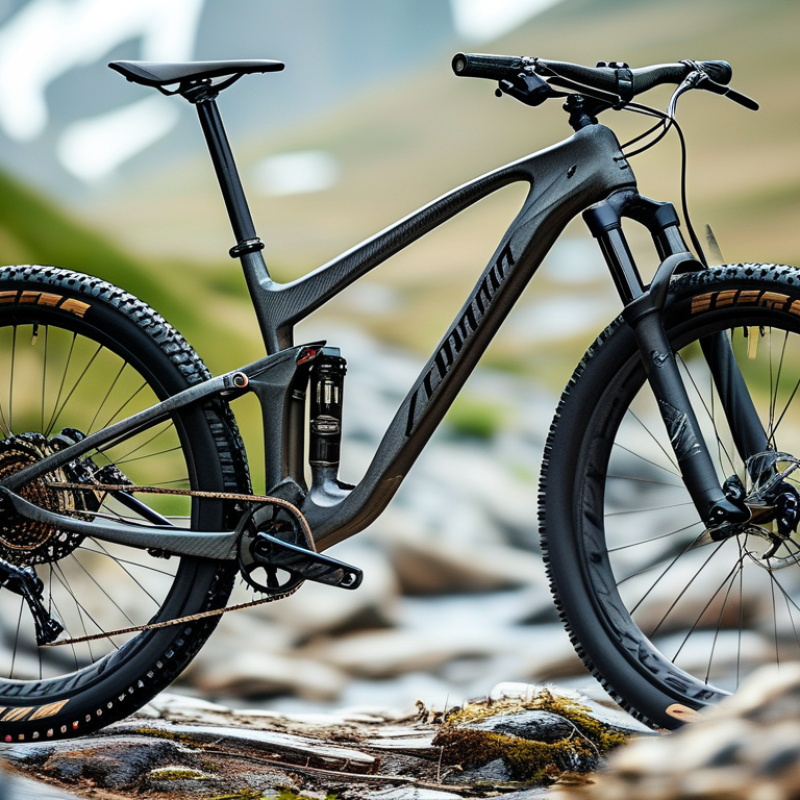
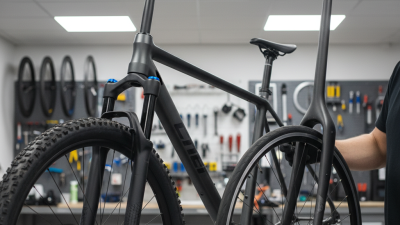
A bike fork is a crucial component that connects the front wheel to the frame. Typically, a fork consists of two legs, a steerer tube, and dropouts. These parts work together to absorb shocks and maintain stability while riding. The design influences how the bike handles various terrains. Rigid forks provide a direct feel, while suspension forks offer increased comfort and control.
The geometry of a bike fork can greatly impact performance. For example, the angle of the fork affects steering responsiveness. A steep angle may lead to faster turns, but it can also make the bike feel twitchy. Conversely, a slack angle provides stability but slows response times. The materials used in fork construction also play a role. Lightweight materials can enhance speed, but may compromise durability.
Choosing the right fork is not only about materials but also about personal riding style. Riders often face dilemmas when selecting between a suspension and a rigid fork. Each option presents trade-offs. Suspension forks are forgiving but can add weight. Rigid forks are lighter but may amplify road imperfections. Testing different forks can help find the ideal balance for individual needs.
Types of Bike Forks and Their Characteristics
Bike forks play a crucial role in bicycle performance. They connect the front wheel to the frame and absorb shocks from uneven terrain. There are various types of bike forks, each with unique characteristics.
The most common type is the rigid fork. This fork offers simplicity and lightweight advantages. However, it lacks shock absorption. Riders on smooth roads may prefer this for speed and efficiency.
Another popular option is the suspension fork. This includes springs and damping systems to absorb shock. It enhances comfort and control on rough trails. But, some riders find it adds extra weight, which may affect speed. Riders should consider their typical terrain before choosing.
**Tips:** Always test ride different forks before buying. Personal comfort varies significantly. Don't hesitate to adjust your settings based on your riding style. Make sure your fork is compatible with your bike frame for optimal performance.
Impact of Bike Fork Types on Performance
How Fork Design Influences Bike Performance
The fork of a bike plays a crucial role in its overall performance. A well-designed fork not only supports the front wheel but also influences steering and stability. Different designs cater to various riding styles and conditions. For instance, a suspension fork can absorb shocks, making it ideal for rough terrains. Conversely, a rigid fork offers precision, which is favored in racing.
The materials used in a fork's construction matter, too. Lighter materials enhance speed, while sturdier options improve durability. The angle of the fork affects how a bike handles turns. A steeper angle may allow sharper turns but can limit stability at high speeds. It’s essential to find the right balance for your riding needs.
Tips: When selecting a bike, consider your terrain. Test ride different bikes to feel the fork's impact. Observe how it responds during sharp turns. Adjusting your riding technique can also enhance performance. Always keep in mind that some forks may perform well, but may not suit your style perfectly. Reflect on your experiences to make informed choices.
Impact of Fork Materials on Ride Quality and Durability
The fork of a bike plays a crucial role in its performance, directly influencing ride quality and durability. Material choice significantly affects how the fork absorbs shocks and transfers road vibrations. Common materials include aluminum, carbon fiber, and steel. Each has unique properties that cater to different riding styles and conditions.
Aluminum forks are lightweight and affordable, making them popular for entry-level bikes. They provide a decent balance between performance and cost. However, they may not offer the best shock absorption compared to carbon fiber. According to a report by the International Cycling Union, carbon fiber forks can reduce road vibrations by up to 30%. This cushioning effect enhances comfort on rough terrain, though some riders question their long-term durability under heavy use.
Steel forks, while heavier, offer robustness and reliability. They can endure significant stress without compromising structural integrity. Yet, they may add unwanted weight, impacting performance in competitive scenarios. Beyond materials, the design of the fork also matters. A poorly designed fork might lead to handling issues, raising safety concerns. Understanding these nuances can elevate a rider's choice, balancing performance and comfort effectively.
Choosing the Right Fork for Your Riding Style and Conditions
Choosing the right fork for your bike can significantly impact your riding experience. A fork stabilizes the front wheel and absorbs shocks. Different riding styles require different forks. For example, a rigid fork benefits road cyclists seeking speed. In contrast, a suspension fork is essential for mountain bikers navigating rough terrains.
Research by the National Bicycling Association indicates that 70% of riders notice improved handling with the right fork. Riders who choose a fork suited to their style report greater confidence during rides. Suspended forks can add weight, which may not align with every cyclist's preference.
The conditions you ride in also matter. For instance, if you frequently face rocky trails, a rugged, adjustable fork can prove crucial. Yet, this added complexity may be a downside for some. In contrast, lighter forks might not absorb shocks as effectively. It’s vital to align your fork choice with your riding style and conditions for optimal performance.
What is a Fork of the Bike and How Does It Affect Performance?
| Fork Type |
Material |
Weight (g) |
Stiffness Rating |
Travel (mm) |
Recommended Riding Style |
| Rigid Fork |
Steel |
1200 |
High |
N/A |
Commuting, Road Racing |
| Suspension Fork |
Aluminum |
1800 |
Medium |
100 |
Mountain Biking, Trail Riding |
| Carbon Fork |
Carbon Fiber |
800 |
Very High |
N/A |
Racing, High-Performance Cycling |
| Long Travel Fork |
Aluminum |
2300 |
Low |
150 |
Downhill, Freeride |