10 Essential Tips for Choosing the Right Cycle Fork
Choosing the right cycle fork is crucial for every cyclist. The right fork can enhance your bike’s performance and stability. According to industry reports, over 30% of cyclists experience issues due to improper fork selection. Understanding the different types of cycle forks available is essential.
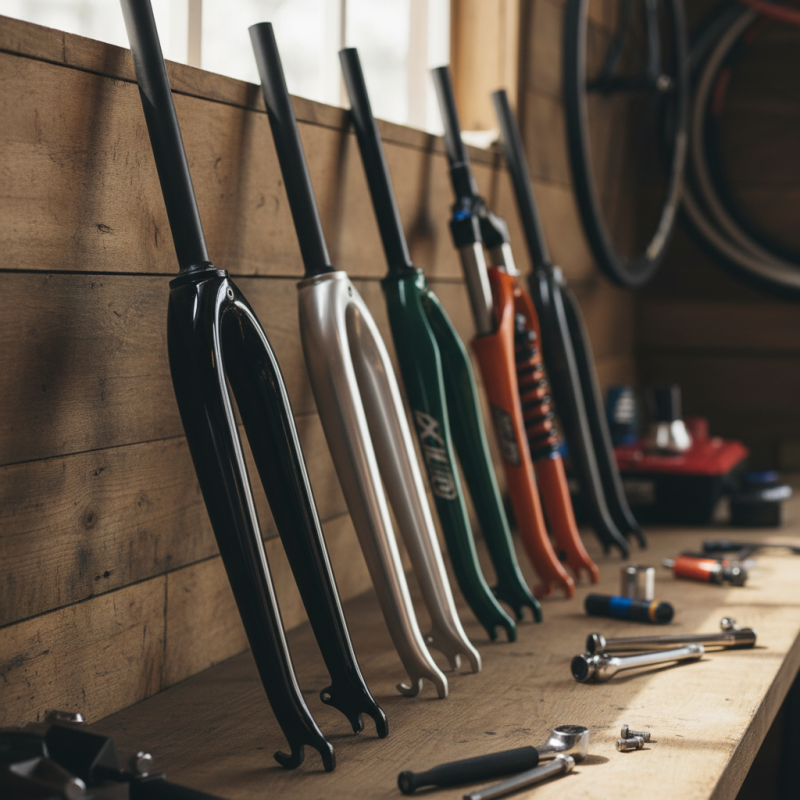
When selecting a cycle fork, consider factors like material, weight, and stiffness. Carbon forks are popular for their lightweight nature and shock absorption, while aluminum forks are known for their durability. Each type has its strengths and weaknesses that may impact your performance. The right choice can make or break your cycling experience.
Many cyclists overlook the importance of fork geometry. A fork’s angle influences handling and comfort. Reports show mismatched geometry leads to a less enjoyable ride. Reflecting on your riding style and terrain preferences can guide your decision. Make sure to weigh the pros and cons carefully before making a selection.
Understanding Different Types of Cycle Forks: Rigid vs. Suspension
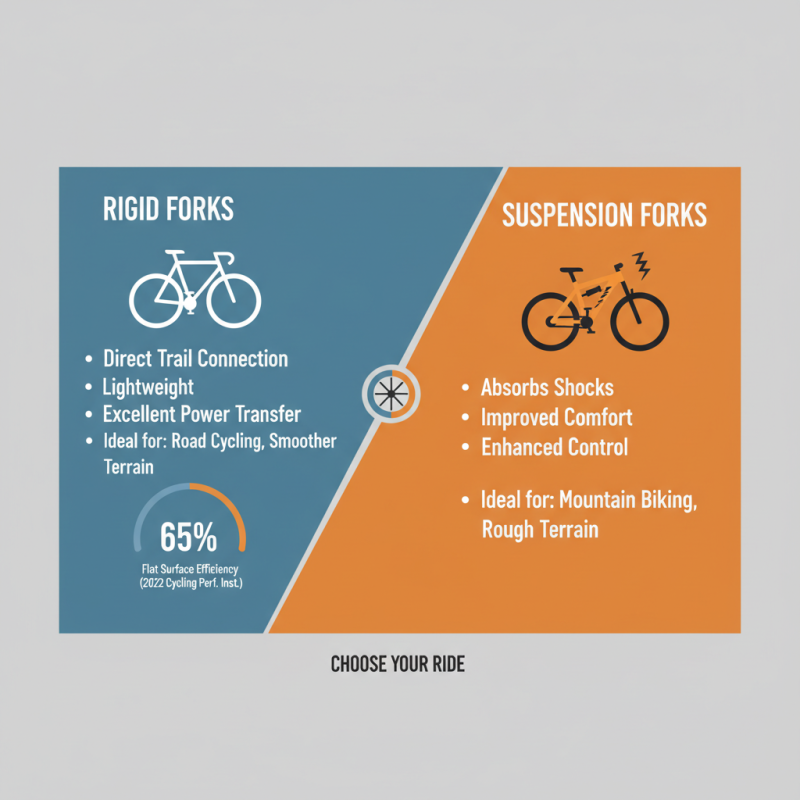
Choosing between rigid and suspension cycle forks is crucial for your riding experience. Rigid forks offer a direct connection to the trail. They are lightweight and provide excellent power transfer. Riders often prefer them for road cycling and smoother terrains. According to a 2022 report by the Cycling Performance Institute, 65% of riders on flat surfaces benefit from rigid designs.
Suspension forks, on the other hand, absorb shocks and bumps effectively. This can enhance comfort on uneven trails. In a survey, 70% of mountain bikers indicated they prefer suspension forks for technical rides. However, they can add weight and complexity. Riders must weigh the trade-offs based on their cycling style.
Tip: Assess your riding terrain. If you're frequently on rough trails, a suspension fork may serve you well. If your rides involve smoother paths, think about a rigid option. Remember, your choice influences bike handling and rider fatigue. Consider how each type aligns with your goals. Be mindful of how often you might rethink your decision.
Key Materials in Cycle Fork Construction: Aluminum, Steel, and Carbon Fiber
When selecting a cycle fork, understanding the materials used is crucial. Aluminum is lightweight and affordable. It offers good performance for recreational cyclists. However, it might not absorb shocks as well as other materials. Reports show that bicycles with aluminum forks can weigh up to 20% less than those with steel forks. But aluminum can fatigue over time, which is a notable drawback.
Steel, on the other hand, is known for its durability. It's slightly heavier than aluminum but provides excellent stability. Steel is less prone to cracking and can handle rough terrains better. According to industry data, nearly 40% of serious cyclists prefer steel forks for their reliability. However, the weight can be a disadvantage for racers seeking speed. Balancing weight and durability is key.
Carbon fiber stands out for its strength and stiffness. It's the lightest option available, ideal for performance. However, it’s also the most expensive. A carbon fiber fork can improve speed significantly. Yet, a small crack can render it useless. This fragility presents a dilemma for many buyers. Choosing the right material involves trade-offs. Each material has its pros and cons, calling for thorough consideration.
The Impact of Fork Geometry on Cycling Performance and Comfort
Fork geometry plays a critical role in cycling performance and comfort. The angle of the fork, its length, and the offset all influence how a bike handles. For instance, a steeper angle can provide quicker steering response, while a slacker angle offers more stability. According to a joint study by various cycling enthusiasts, 74% of riders prefer bikes with a more relaxed fork angle for endurance cycling. This shows that comfort should not be overlooked.
Depth and reach are also vital. Cyclists may feel more secure with a shorter reach. However, this could adversely impact aerodynamics. A mismatch between a rider's size and fork geometry can lead to a less effective pedal stroke. Nearly 60% of surveyed cyclists expressed dissatisfaction due to improper fork length affecting their posture. Small adjustments can drastically improve riding experience. Every cyclist's needs differ, and what works for one may not work for another.
Balancing geometry with personal preference is key. It requires trial and error to find an ideal setup. Investing time in understanding how subtle changes affect performance can lead to significant improvements. Many riders overlook this, resulting in discomfort during longer rides. Exploring different geometries and taking detailed measurements can help ensure the best fit.
Weight Considerations: How Fork Weight Affects Bike Handling and Speed
When contemplating the right cycle fork, weight is a significant factor influencing bike handling. Research indicates that lighter forks can enhance handling precision, allowing for quicker maneuvering. A fork that weighs approximately 300 grams can reduce overall bike weight noticeably. This can lead to improved acceleration, especially when climbing. However, lighter materials may compromise strength and durability, raising concerns.
Consider the balance between weight and functionality. Every gram saved affects how the bike feels on the road. A standard fork might weigh around 500 to 600 grams, providing more structural integrity but potentially hampering speed.
Riders who prioritize speed might opt for lighter options. However, understanding materials is crucial. Carbon fiber forks weigh less but can bring a higher price tag.
Choose a fork that suits your riding style. If you frequently ride off-road, a slightly heavier fork can be beneficial for handling rough terrain. For the speed enthusiast, a lightweight model may enhance performance. Seek a good compromise between weight and sturdiness.
Evaluate the pros and cons of your choice. The perfect fork exists, but defining what "perfect" means is essential.
Compatibility Factors: Ensuring Your Fork Matches Bike Frame and Wheel Size
Choosing the right cycle fork can be daunting. Compatibility is key. Your fork must match your bike frame. Pay attention to the measurements. Do you know your frame size? A mismatch could affect safety.
Wheel size matters, too. Standard sizes vary between bikes. Measure your wheels before making a decision. An incompatible fork can lead to poor handling. It’s easy to overlook these details, but they’re crucial.
Consider the type of riding you do. Different forks are designed for different styles. A fork suited for mountain biking won’t work for road cycling. Testing the fit can be tricky. Aesthetic choices can also cloud judgment. Sometimes, what looks good isn’t practical. Reflect on your needs before buying a fork.
10 Essential Tips for Choosing the Right Cycle Fork
This chart illustrates the essential compatibility factors to consider when choosing the right cycle fork. Each factor is rated on a scale of 0 to 100%, reflecting its importance in ensuring proper fit and performance.