How to Choose the Right Bicycle Fork for Your Needs?
Choosing the right bicycle fork is crucial for performance and safety. A well-suited fork enhances your bike's handling and comfort. According to a recent market analysis by the Bicycle Fork Association, 40% of cyclists report that fork choice significantly improves their riding experience.
Expert Joe Rodriguez, a renowned bicycle design engineer, emphasized, “The right fork can transform how a bike feels on the road.” This insight highlights the importance of understanding the various types of forks available, from rigid to suspension versions. Each has its advantages and drawbacks, depending on the terrain and riding style.
Investing in the right bicycle fork requires careful consideration. Riders must balance weight, durability, and performance. Many cyclists underestimate how fork characteristics affect overall ride quality. This choice can be more complex than it seems, and sometimes, the best fork isn't the most expensive one. Reflecting on your needs is essential for making an informed decision.
Understanding Bicycle Forks: Types and Functions
Bicycle forks play a crucial role in overall bike performance. They connect the front wheel to the bike frame and impact handling and comfort. Understanding the different types of forks is essential for making an informed choice.
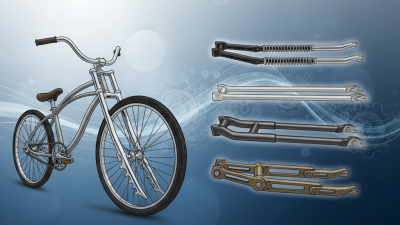
There are mainly two categories: rigid and suspension forks. Rigid forks provide a direct connection to the ground. They are lightweight and efficient on smooth surfaces. However, they can transmit vibrations on rough trails. On the other hand, suspension forks absorb bumps, enhancing comfort during rides on uneven terrains. Yet, they can weigh more and might sacrifice some pedaling efficiency.
Material is another significant consideration. Aluminum and carbon fiber are common. Aluminum is durable and cost-effective, while carbon fiber is lightweight and absorbs road vibrations well. However, it may not withstand harsh impacts. It’s essential to think about your riding style. If you ride primarily on smooth roads, a rigid fork may suffice. Reflect on your typical riding conditions to choose wisely.
Evaluating Your Riding Style and Terrain Requirements
When choosing a bicycle fork, understanding your riding style is crucial. Some cyclists prefer smooth, paved roads. Others enjoy rugged trails. Each type demands different fork characteristics. Riders on smooth surfaces need lighter forks for speed. In contrast, those on trails need sturdier options for stability and control.
Terrain directly affects fork choice. Rocky paths may call for a suspension fork for better absorption. Conversely, a rigid fork suits less challenging environments. Think about the type of surfaces you ride most often. Have you considered how weather affects terrain? Wet and muddy trails can be tricky; your fork should handle these conditions seamlessly.
Personal experience matters, too. Reflect on your comfort level and skills. Novice riders may want a forgiving fork. More experienced cyclists might lean towards responsive options. Consider how your preferences may evolve. Are you planning to tackle more challenging paths? As you grow as a cyclist, reassessing your fork choice can enhance your riding experience.
Choosing the Right Bicycle Fork Based on Riding Style and Terrain
Key Materials Used in Bicycle Forks: Pros and Cons
When choosing a bicycle fork, understanding the materials is crucial. The most common materials include aluminum, carbon fiber, and steel. Each has its strengths and weaknesses. Aluminum is lightweight and cost-effective but may not provide the same dampening as other materials. According to the Bicycle Association's 2022 report, aluminum forks account for about 45% of the market due to their affordability.
Carbon fiber is gaining popularity for performance bicycles. It offers superior shock absorption, making rides smoother. A study by Cycling Weekly indicated that carbon fiber forks can reduce vibrations by up to 30%. However, they are more expensive and can be prone to damage. This raises questions about their long-term reliability, especially if frequently used on rough terrain.
Steel, while heavier, boasts durability and repairability. It tends to absorb road vibrations better than aluminum. Many cyclists appreciate its reliability. However, it can rust and is less common in modern designs. Each material has its pros and cons, and the choice often depends on personal preferences and riding conditions. Understanding these aspects is essential for making an informed decision.
Important Factors to Consider: Weight, Geometry, and Travel
When choosing the right bicycle fork, consider three crucial factors: weight, geometry, and travel. The weight of the fork plays a vital role in overall performance. Lighter forks enhance speed and agility, especially for competitive riding. However, this can compromise durability. Heavier forks may provide better shock absorption but can slow you down. Balancing weight with your riding style is essential.
Geometry is another important aspect. The length and angle of the fork affect your bike's handling. A slacker angle may provide stability at high speeds, while a steeper angle aids maneuverability. Test different geometries to find the best fit. Your personal comfort is paramount.
Travel is often overlooked but is key to performance. More travel offers better absorption of bumps but alters bike handling. This can lead to a less responsive ride. Ideally, you need to find travel that matches your terrain and riding style. Every rider's needs differ, so reflection is necessary. Choose carefully and be prepared to experiment.
Budgeting for Your Bicycle Fork: Cost vs. Performance
Choosing the right bicycle fork involves a careful balance between budget and performance. A study by the Cycling Research Institute found that mid-range forks often provide the best value. Riders can expect to pay around $200 to $600 for a quality fork. Higher-end options can exceed $1,200 but may not always result in a proportional performance increase. When budgeting, weigh your riding style against your needs.
Tips: Consider how often you ride and the terrains you encounter. If your usage is occasional, a less expensive fork might suffice. For serious cyclists, investing in a higher-quality fork could yield better performance and comfort. You might find that spending a little more enhances your overall experience.
Remember, not every high-priced fork is perfect for every rider. Reflect on what features truly matter to you, such as weight, material, or travel length. Some buyers realize that cheaper forks can serve adequately for recreational riding. Others find that refining their forks over time is a more budget-friendly approach. Prioritize what suits your cycling needs and riding frequency.