2026 How to Choose the Right Bike Fork for Your Riding Style?
Choosing the right bike fork is crucial for every rider. A good bike fork influences your comfort and control on the trail. Various forks fit different styles of riding. Mountain bikers, for instance, often need sturdier designs. Road cyclists might prefer lighter options for speed.
When selecting a bike fork, consider your terrain. Smooth asphalt requires a different fork than rugged trails. Additionally, pay attention to the material. Aluminum and carbon forks have distinct benefits. Each brings unique ride characteristics. Your weight and height can impact your choice as well. An improper fit can lead to discomfort or a harsh ride.
Riders often overlook the importance of travel length. This affects how the bike handles bumps. A fork that is too long may create stability issues. Conversely, a short fork might not absorb shocks effectively. Reflecting on your riding style ensures you choose wisely. Examine your experiences and preferences before making a decision. Finding the perfect bike fork may require some trial and error. Your ride depends on it.
Understanding Different Types of Bike Forks and Their Functions
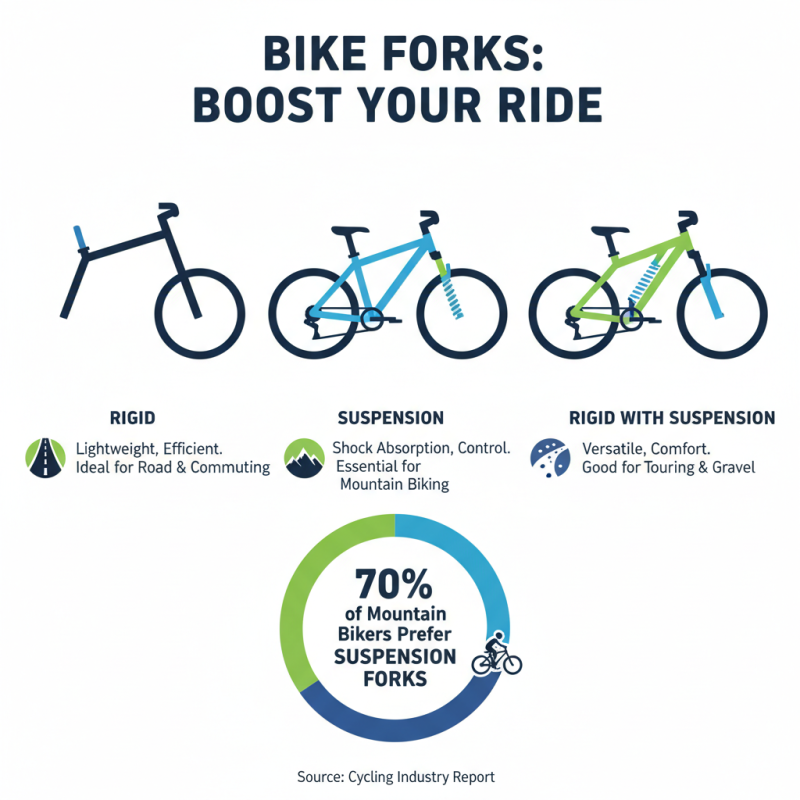
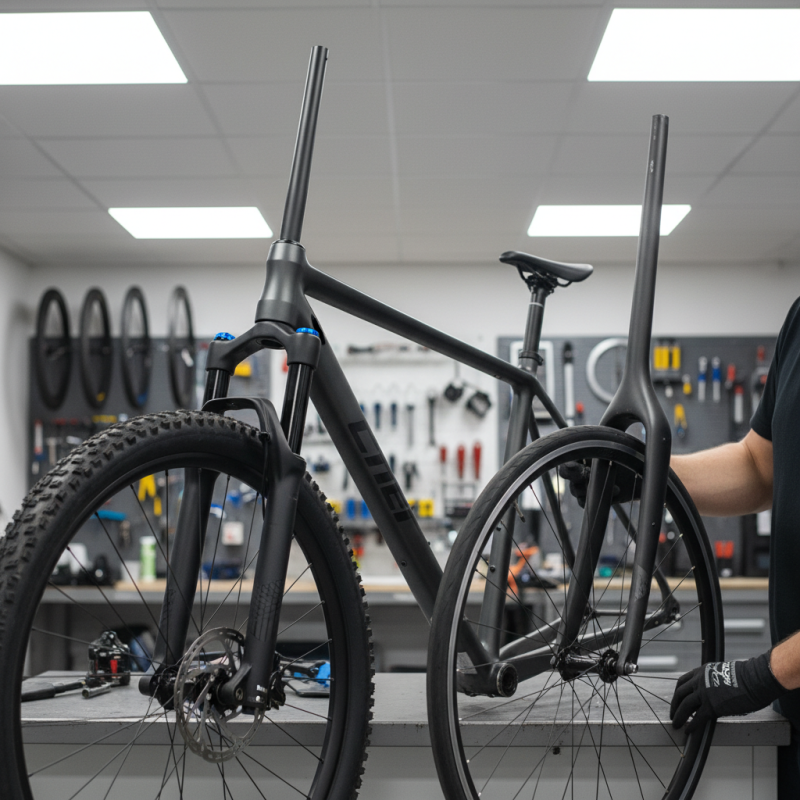
Choosing the right bike fork affects your ride quality and performance. There are three main types: rigid, suspension, and rigid with suspension. Each serves a different riding style and terrain. According to a recent report by Cycling Industry, roughly 70% of mountain bikers prefer a suspension fork for better shock absorption on rough trails.
Rigid forks offer excellent control and weight savings. This makes them ideal for racing and smooth roads. However, they provide no forgiveness over bumps. On the other hand, suspension forks, while heavier, absorb impacts effectively. This may lead to a slower response on climbs but provides a more comfortable ride downhill. About 60% of riders feel more confident on technical descents with a suspension fork.
For gravel riders, a rigid fork may suffice, allowing for better power transfer. Yet, many now seek adventure in unpaved terrains. This often calls for experimenting with various fork types. It's essential to evaluate your style and test ride different options. Research shows that over 50% of cyclists switch bikes based on comfort. Recognizing these factors is crucial for finding your perfect fit.
Assessing Your Riding Style: MTB, Road, or Hybrid
Choosing the right bike fork hinges on understanding your riding style. Factors such as terrain, riding frequency, and the type of bike can all influence your decision. Mountain bikers often prefer sturdy, longer travel forks. These forks absorb shocks effectively, making them perfect for rugged trails. In contrast, road cyclists require lighter forks. They prioritize aerodynamics and responsiveness, seeking a balance between strength and weight.
Hybrid cyclists fall somewhere in between. They need a versatile fork that can handle diverse road conditions, from smooth pavement to light gravel. According to industry data, over 30% of new cyclists choose hybrid bikes, highlighting this versatility’s appeal. Tips for selecting a fork? Look for travel length. It should match your riding intensity. Suspension setup is also critical; this impacts comfort on various terrains.
Keep in mind the limitations of your chosen fork. A heavily cushioned fork may feel plush but can hinder quick responses on smooth roads. You might experience unwanted weight and drag. Experimenting with different setups could provide insights into your preferences. Don't rush; understanding your true riding style takes time and experience. Assessing these factors will help ensure your bike fork enhances your riding experience effectively.
2026 How to Choose the Right Bike Fork for Your Riding Style?
| Riding Style |
Recommended Fork Type |
Travel (mm) |
Weight (kg) |
Material |
| Mountain Bike (MTB) |
Suspension Fork |
120-160 |
1.8-2.5 |
Aluminum/Carbon |
| Road Bike |
Rigid Fork |
0-40 |
0.7-1.2 |
Carbon/Aluminum |
| Hybrid Bike |
Semi-Suspension Fork |
40-80 |
1.2-1.8 |
Steel/Aluminum |
Key Features to Consider When Selecting a Bike Fork
Choosing the right bike fork can significantly affect your riding experience.
When considering a fork, the material is vital.
Aluminum is lightweight but can be less forgiving.
Steel, on the other hand, offers durability and a smoother ride but adds weight. So, think about what fits your style better.
Next up is the travel distance. A longer travel fork is great for rough terrains.
It absorbs bumps better. However, this can also lead to instability on smooth trails. Balance is key.
Riding style matters too. Are you hitting jumps or cruising down the street?
Your fork should complement your approach.
Don't overlook the axle size. Wider axles provide greater stiffness,
enhancing control during aggressive riding. Yet, they can affect compatibility with some bike frames.
Lastly, check out the damping system.
This feature tunes your ride's feel. It could make a world of difference or lead to disappointment if not suited to your needs.
Choosing a fork requires thought and a bit of trial and error.
Material Choices for Bike Forks: Pros and Cons
When selecting a bike fork, material plays a vital role in performance. The most common materials for bike forks are aluminum, steel, carbon fiber, and titanium. Each material has its own unique advantages and disadvantages.
Aluminum is lightweight and offers good stiffness. It is often found on mid-range bikes. However, it can be less forgiving on rough terrains.
Steel forks provide
durability and are generally more affordable. Still, they can be heavier, impacting performance on climbs.
Carbon fiber is celebrated for its
lightness and ability to
absorb shocks. It fosters a smooth ride but comes with a
higher price tag.
Titanium is
strong and
resilient, perfect for those seeking a premium option, though it can be expensive and less accessible.
Tips: When choosing a bike fork, consider how you ride. If you often tackle
rough trails, a fork that absorbs shocks well is vital. For those who race, every gram matters. A lighter material can enhance speed, but
balance is key. Reflect on what is best for your style.
Setting the Right Budget for Your Bike Fork Selection
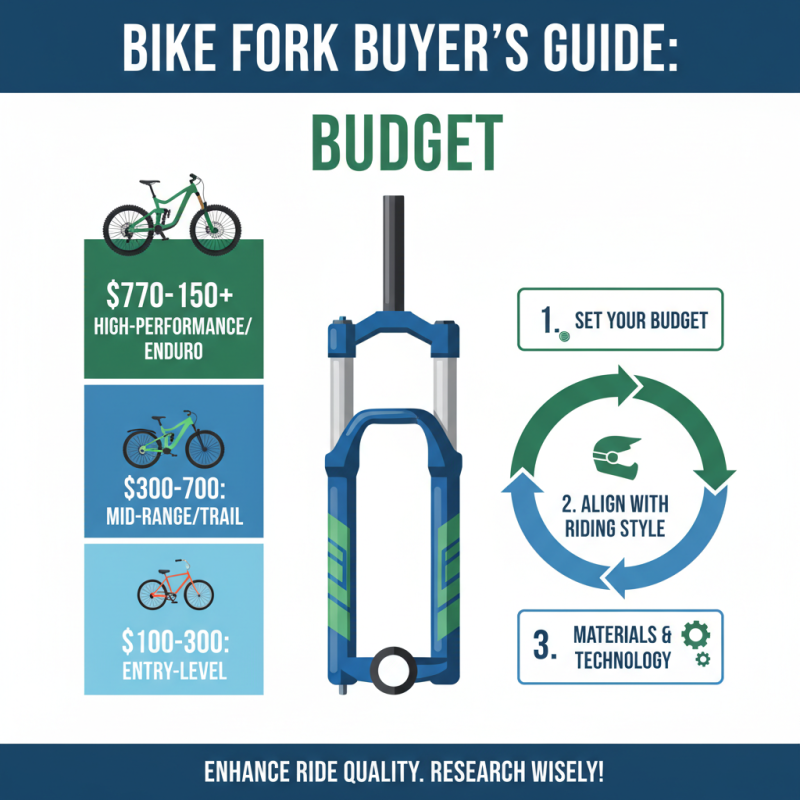
When selecting a bike fork, budget is crucial. A quality fork can significantly enhance your ride, but prices vary widely. Reports show that bike forks can range from $100 to over $1,500, depending on materials and technology. This wide range can confuse many riders. Allocating a budget helps narrow down choices and aligns with riding style.
Consider the intended use first. Cross-country riders may need lightweight forks, while downhill enthusiasts require sturdy, heavily damped options. A basic fork for casual riding might only cost around $100. However, if performance is essential, investing between $300 and $600 is often recommended. Professional data indicates that forks in this range provide improved handling and better response.
It’s vital to balance cost and quality. A cheaper fork may save money but could compromise safety. Concerning performance, riders have reported dissatisfaction when opting for lower-quality forks. Over time, the savings can lead to costly upgrades. Reflect on the overall riding experience. It’s often wise to invest in a quality fork upfront rather than face regrets later.