How to Choose the Right 26 Inch Mountain Bike Fork for Your Riding Style
Choosing the right 26 Inch Mountain Bike Fork is essential for optimizing your performance and enjoyment on the trails. A well-suited fork not only enhances the bike’s handling but also ensures stability and comfort while riding, key factors emphasized in the 2023 Mountain Biking Industry Report, which indicates that approximately 60% of mountain bikers consider fork quality to be a primary factor in their purchasing decisions. With mountain biking experiencing a resurgence in popularity, understanding the intricacies of suspension technologies and geometry is more crucial than ever.
Research shows that the right fork can significantly impact a cyclist's overall experience, affecting factors such as weight distribution, responsiveness to terrain, and shock absorption. According to data from the Outdoor Industry Association, nearly 75% of mountain bike enthusiasts indicate that performance upgrades directly correlate with increased satisfaction during rides. Therefore, when selecting a 26 Inch Mountain Bike Fork, it’s imperative to analyze your personal riding style—whether aggressive downhill, cross-country efficiency, or casual trail riding—to ensure that you’re equipped with a fork that meets the demands of your riding conditions.

Understanding the Types of Mountain Bike Forks Available for 26 Inch Bikes
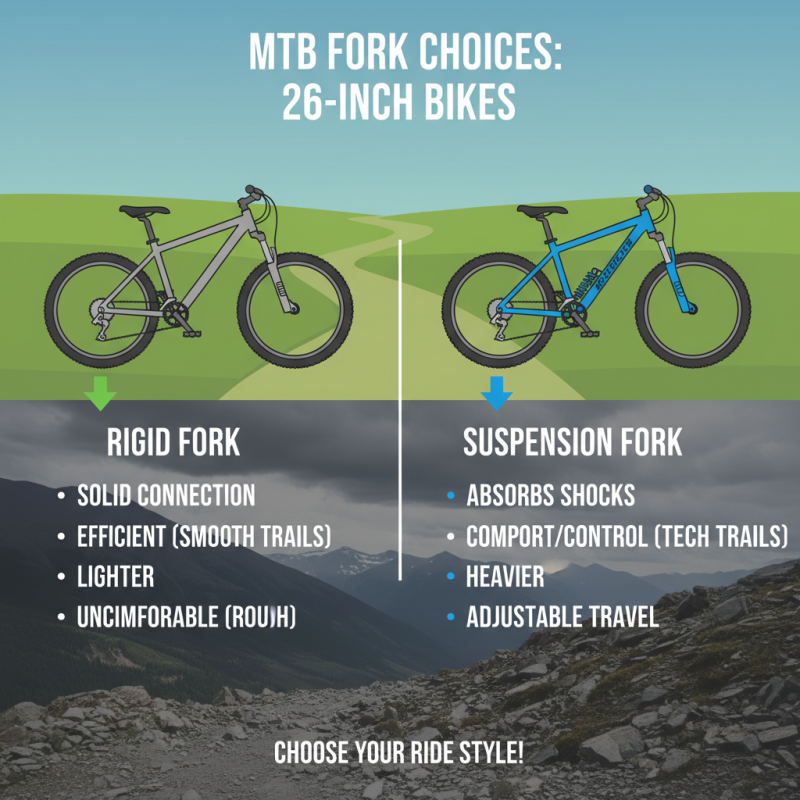
When choosing the right fork for a 26-inch mountain bike, it's essential to understand the different types of forks available and how they align with your riding style. The two main categories of mountain bike forks are rigid and suspension forks. Rigid forks provide a solid connection to the bike frame, offering improved efficiency on smooth surfaces but can be uncomfortable on rough terrain. Suspension forks, on the other hand, are designed to absorb bumps and shocks, enhancing comfort and control on technical trails.
When selecting a suspension fork, consider the travel length, which affects how much the fork can compress to absorb impacts. Longer travel forks are excellent for aggressive downhill riding, while shorter travel forks are ideal for cross-country riding where less absorption is necessary. Additionally, pay attention to the weight of the fork; a lighter fork can improve overall bike performance, especially in climbs.
**Tips**: Before making a purchase, take your bike’s geometry into account, as different forks can affect handling and stability. It’s also wise to test ride different forks if possible; personal experience can greatly influence your comfort and performance on various terrains. Lastly, always ensure your chosen fork is compatible with your bike’s specifications to avoid any installation issues.
Evaluating Your Riding Style: Cross-Country, Trail, and Enduro Needs
When choosing a mountain bike fork, understanding your riding style is imperative. Cross-country riders typically prioritize lightweight components and efficiency. For them, a fork that offers a balance of stiffness and compliance is ideal, allowing for quick climbs and navigating through varied terrain. Look for features such as adjustable travel length and lockout capabilities, which enable riders to maximize their pedaling efficiency on smooth trails while providing adequate suspension when the terrain becomes technical.
Trail riding, on the other hand, demands a fork that can handle rougher conditions and provide more versatility. Riders seeking a fork for trail riding should consider models that feature increased travel and adjustable settings to accommodate both climbing and descending. The ability to absorb bumps and rocks while maintaining control is crucial. Riders may also benefit from wider stanchions for added strength and stability, ensuring that the fork can withstand the demands of varied terrain without compromising performance.
Finally, for enduro enthusiasts, durability and performance become key considerations. Enduro riders typically encounter the most challenging descents and rugged trails, necessitating a fork that is robust and capable of handling significant impacts. A longer travel fork equipped with advanced damping systems will help navigate downhill sections while still allowing for reliable climbing capabilities. By thoroughly evaluating your riding style—whether it’s cross-country, trail, or enduro—you can choose a fork that enhances your riding experience and aligns with your performance goals.
Key Specifications to Consider: Travel, Stanchion Diameter, and Weight
When selecting a 26-inch mountain bike fork, understanding the key specifications—travel, stanchion diameter, and weight—is crucial for matching the fork with your riding style.
Travel refers to the maximum distance the suspension forks can compress when encountering bumps or obstacles. For aggressive riding, such as downhill or technical trails, opting for a fork with longer travel—typically between 130mm to 160mm—provides better shock absorption and stability. Conversely, if your focus is on cross-country riding, a shorter travel fork, around 100mm to 120mm, can enhance efficiency and responsiveness on smoother terrain.
Stanchion diameter is another vital factor to consider, as it influences the fork’s stiffness and overall performance. A larger stanchion diameter, usually ranging from 28mm to 36mm, offers enhanced rigidity and control, which is beneficial for rough terrains and high-speed descents. On the other hand, narrower stanchions may reduce weight, making them suitable for lighter builds and less aggressive riding styles.
Finally, the weight of the fork should align with your biking style; a heavier fork may provide better durability and stability, while a lighter one can improve maneuverability and speed on less demanding trails.
Balancing these specifications will help ensure you select a fork that enhances your riding experience.
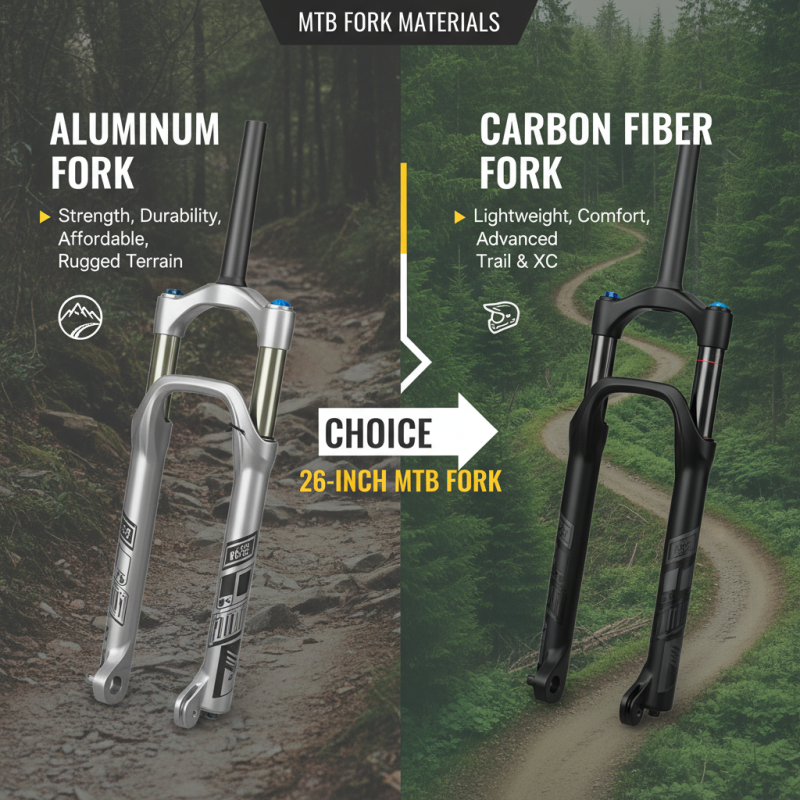
The Importance of Material: Aluminum vs. Carbon Fiber Forks
When selecting a 26-inch mountain bike fork, one of the most critical decisions revolves around the material used in its construction. The two primary options, aluminum and carbon fiber, each offer unique advantages that cater to different riding styles and preferences. Aluminum forks are known for their strength and durability, making them a popular choice for riders who frequent rugged terrains and require reliable performance under stress. Additionally, aluminum typically comes at a more affordable price point, making it a suitable option for beginners or those looking for a solid entry point into mountain biking.
On the other hand, carbon fiber forks are lauded for their lightweight properties and shock-absorbing capabilities. They provide a smoother ride, absorbing vibrations from rough trails, which enhances comfort and control over longer rides. Riders who prioritize speed and agility, whether racing or tackling challenging courses, often lean towards carbon fiber forks to reduce overall bike weight and improve handling. However, potential buyers should consider the higher cost associated with carbon fiber, as well as its susceptibility to damage from impacts, necessitating careful handling. Ultimately, choosing between aluminum and carbon fiber should align with the rider's specific needs and the conditions they intend to conquer.
Maintenance and Compatibility: Ensuring Long-Term Performance of Your Fork
When selecting a 26-inch mountain bike fork, maintenance and compatibility play critical roles in ensuring long-term performance. First and foremost, regular maintenance is essential for keeping your fork in optimal condition. This includes routine cleaning to remove dirt and debris, as well as checking and replacing lubrication fluids. The internal components of the fork, such as seals and bushings, should be inspected periodically to prevent wear and tear that can lead to diminished performance or complete failure. A well-maintained fork not only enhances your riding experience but also extends the lifespan of the entire bike.
Compatibility is another vital consideration when choosing a mountain bike fork. A fork must be suited to the specific frame geometry and wheel size of your bike, as well as the type of riding you intend to do. It’s crucial to ensure that the axle type, brake mount style, and travel length are appropriate for your setup. Mismatched components can lead to serious handling issues and subpar performance, negating any advantages offered by a high-quality fork. Therefore, thorough research and understanding of your bike’s specifications are necessary for achieving seamless compatibility and maintaining the performance of your mountain bike over time.
Mountain Bike Fork Performance Comparison
This chart illustrates the performance ratings of different types of mountain bike forks based on riding styles. Ratings are based on factors such as suspension quality, responsiveness, and suitability for varying terrains.