How to Choose the Best Carbon Gravel Fork for Your Bike?
Choosing the right Carbon Gravel Fork is essential for enhancing your biking experience. A well-selected fork can improve performance and comfort on rough terrains. Gravel biking demands reliable equipment, and the fork plays a crucial role in this.
When considering a Carbon Gravel Fork, pay attention to weight, stiffness, and compatibility with your bike. The ideal fork should absorb vibrations while ensuring stability at speed. It's easy to overlook these factors in the excitement of upgrading. Yet, doing so may lead to disappointment on your rides.
Evaluate the fork's design and your biking style. A fork that suits one rider may not fit another's needs. Take the time to test different options. A perfect choice can elevate your riding experience. However, not every decision will feel right initially. Allow room for reflection as you embark on this journey to find your optimal Carbon Gravel Fork.
Understanding the Importance of a Quality Carbon Gravel Fork
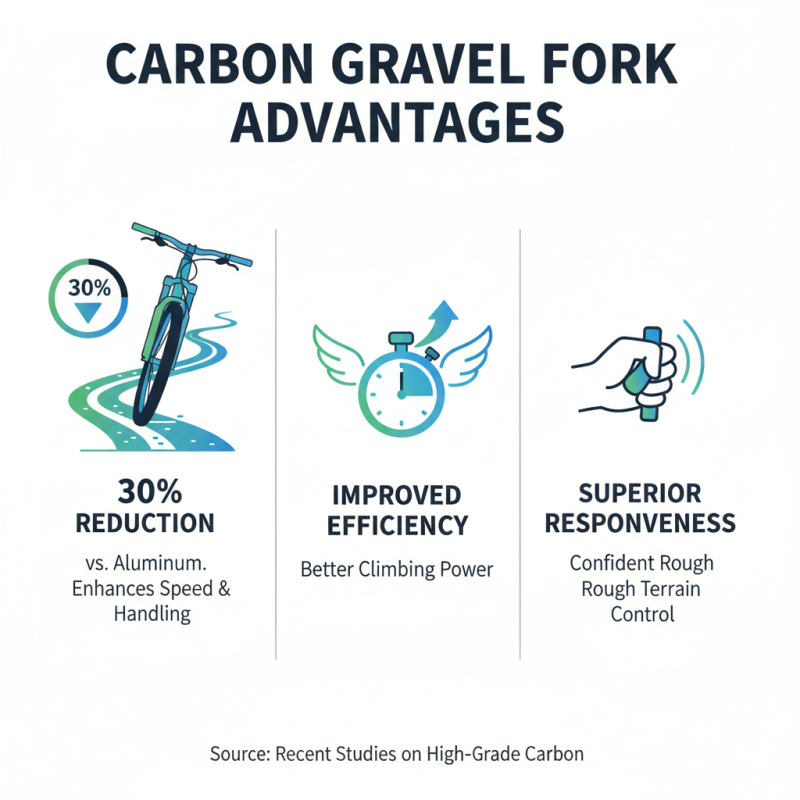
A quality carbon gravel fork plays a crucial role in the overall performance of a bike. Recent studies show that forks made from high-grade carbon can reduce weight by more than 30% compared to aluminum options. This significant reduction enhances speed and handling, providing a competitive edge, especially on rugged terrains. A lightweight fork allows for better climb efficiency and offers improved responsiveness during rides.
Moreover, carbon forks excel in vibration damping. Research indicates that carbon can absorb up to 50% more road shock than traditional materials. This capability makes long rides more comfortable, as riders experience less fatigue. However, while carbon is durable, it can be susceptible to damage from impacts. Riders need to be mindful of maintenance and potential cracks that may go unnoticed.
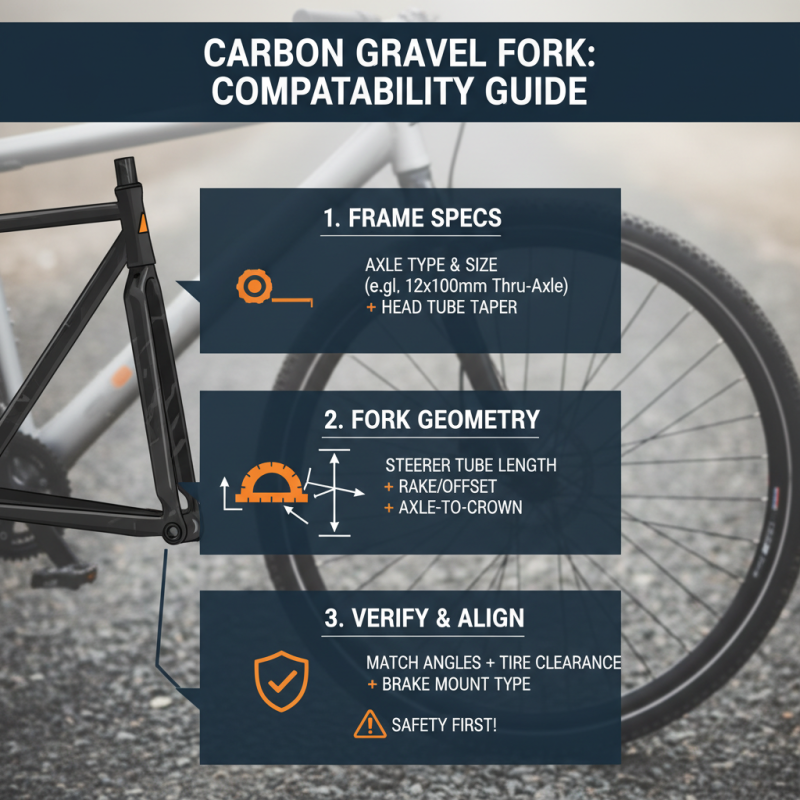
Selecting the right carbon fork is not solely about weight or damping. It involves considering geometry, axle compatibility, and tire clearance. Many riders overlook these factors. A mismatch can lead to a subpar riding experience. Getting the ideal configuration can take time and experimentation. A thoughtful approach ensures that cyclists reap the full benefits of a quality carbon gravel fork.
Key Factors to Consider When Selecting a Carbon Gravel Fork
Choosing the right carbon gravel fork for your bike can significantly enhance your riding experience. One key factor to consider is weight. A lighter fork improves handling and speed. However, lighter does not always mean better. Find a balance between weight and strength. Look for a fork that offers durability without feeling overly heavy.
Next, think about the geometry. The fork's design affects stability and comfort. If you often ride rough terrain, opt for a fork with more compliance. This can absorb bumps effectively. However, if you prefer speed on smoother paths, a stiffer fork may be beneficial. Take time to visualize your riding style.
Don't overlook the axle type and compatibility with your bike. Some forks only fit specific wheel sizes or hub types. This could limit your options for future upgrades. Remember, it’s crucial to ensure a proper fit. A mismatched fork can lead to handling issues during rides. Consider all these factors carefully to make an informed decision.
How to Choose the Best Carbon Gravel Fork for Your Bike? - Key Factors to Consider When Selecting a Carbon Gravel Fork
| Factor |
Description |
Importance Level (1-5) |
Weight (grams) |
Price Range (USD) |
| Material Quality |
High-grade carbon or composite materials that provide strength and durability |
5 |
400 |
300-800 |
| Weight |
Overall weight of the fork which affects bike handling and performance |
4 |
350 |
200-600 |
| Axle Compatibility |
Types of axles (thru-axle vs quick release) and their dimensions affect compatibility |
5 |
N/A |
150-400 |
| Steerer Tube Type |
Compatibility with tapered or straight headsets |
4 |
N/A |
100-300 |
| Brake Compatibility |
Disc or rim brake compatibility and mount standards |
5 |
N/A |
80-250 |
| Price |
Overall cost and value for performance versus budget |
4 |
N/A |
100-1500 |
Comparing Different Carbon Gravel Fork Designs and Features
When choosing the best carbon gravel fork, design and features matter greatly. Different fork shapes can influence ride quality. Some forks have a more relaxed geometry, which offers comfort during long-distance rides. Others may focus on stiffness for quick handling on technical trails. It's vital to understand how these designs will affect your overall biking experience.
Material quality is another essential factor. Carbon forks can vary in stiffness and weight. A lightweight fork might be appealing, but it may sacrifice durability. Consider your riding style. If you often navigate rough terrain, a sturdier design might be needed.
Keep in mind that responsiveness and shock absorption are crucial for a smooth ride. However, this may lead to a heavier setup, which is something to reflect on.
Additionally, disc brake compatibility is important. Some forks are designed exclusively for disc brakes, while others accommodate various braking systems. Evaluating your current bike setup will help determine the right choice. Understand that not every feature will be perfect for everyone. It’s about finding the right balance that suits your needs on the gravel.
Tips for Maintenance and Care of Carbon Gravel Forks
Maintaining a carbon gravel fork is essential for optimal bike performance. Regular inspection can help identify cracks or signs of wear. Check the fork for scratches often, especially after rough rides. Keeping your fork clean helps extend its lifespan. Use mild soap and water; avoid harsh chemicals that could damage the finish.
Proper installation is key. Ensure the fork is correctly aligned when attached to the bike. Over-tightening can lead to stress fractures. It's crucial to follow torque specifications, systematizing your checks might be useful. Also, watch for any unusual sounds while riding. They could indicate deeper issues. Ignoring them could lead to significant problems later on.
Using protective guards can help shield the fork from dirt and debris. Consider investing in a fork bag for extra gear. It adds weight but offers great convenience. Remember, the fork is a sensitive part of your bike. Small missteps in care can lead to bigger consequences. Reflect on your maintenance routine; are you doing enough?
Carbon Gravel Fork Weight Comparison
This chart illustrates the weight comparison of various carbon gravel forks, highlighting their differences in grams. Choosing the right fork involves considering factors like weight, durability, and ride quality.