Leave Your Message

How to Choose the Best 26 Inch Mountain Bike Fork for Your Ride

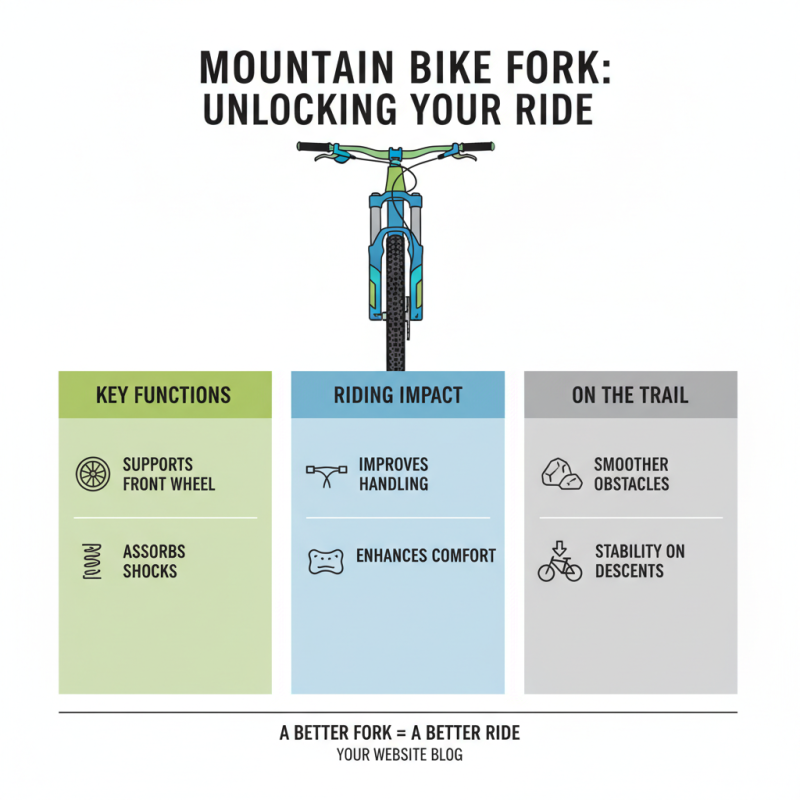
Choosing the right components for your mountain bike can significantly enhance your riding experience, and one of the most critical elements is the fork. The 26 Inch Mountain Bike Fork serves as a vital link between the rider and the terrain, influencing the handling, comfort, and overall performance of your bike. According to renowned mountain biking expert Dr. Emily Chen, “The right fork can transform your ride, providing the stability and control needed to tackle varied terrains effectively.”

When selecting a fork, it’s essential to consider factors such as travel length, material, and damping technology. These features contribute to how well your bike absorbs shocks from rough trails and how responsive your steering will be during climbs and descents. Additionally, the compatibility of the fork with your bike frame and wheel size must be evaluated to ensure an optimal fit. With the right 26 Inch Mountain Bike Fork, you can take your trail riding to the next level, guaranteeing a smoother and more enjoyable adventure on the mountains.

Investing time in understanding the characteristics of forks will pay off, especially in challenging conditions where control is paramount. As you explore options for upgrading or replacing your mountain bike fork, remember that informed choices backed by expert advice will lead to the best riding experience possible.

How to Choose the Best 26 Inch Mountain Bike Fork for Your Ride

Understanding Different Types of 26 Inch Mountain Bike Forks and Their Features

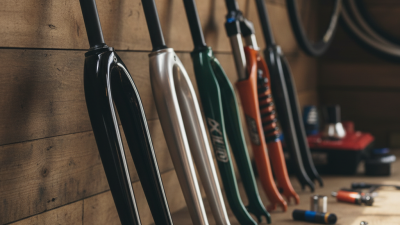
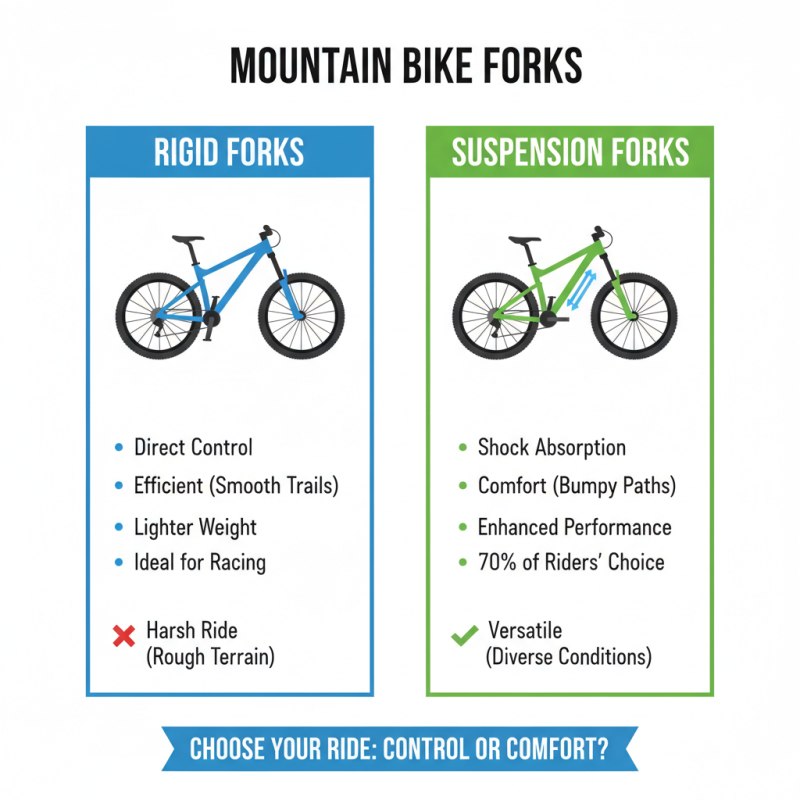
When choosing the right 26-inch mountain bike fork, understanding the different types available and their unique features is essential. The two primary categories include rigid and suspension forks. Rigid forks provide a lightweight option, ideal for riders who prioritize speed and efficiency on smooth trails. They offer minimal flex, allowing for precision steering and responsiveness during climbs and sprints. However, they can be taxing on the body when traversing rough terrain since they do not absorb shocks from bumps and drops.

On the other hand, suspension forks are designed to enhance comfort and control on varied terrains. Within this category, there are several types, including coil and air suspension forks. Coil forks utilize springs to absorb impacts, offering a consistent feel but may become less efficient when encountering smaller bumps. Air suspension forks, conversely, allow riders to adjust the air pressure to customize the ride characteristics, accommodating different weights and riding styles. Each type has its advantages, so considering the terrain you’ll encounter most frequently and your personal riding style will help you make the best choice for your mountain biking experience.

Key Specifications to Consider When Selecting a Mountain Bike Fork

When selecting a mountain bike fork, there are several key specifications that riders should prioritize to ensure optimal performance and comfort. One of the most critical factors is the travel distance, which typically ranges from 80mm to 160mm for 26-inch mountain bikes. According to research by the International Mountain Bicycling Association, a longer travel fork generally allows for better absorption of rough terrains, significantly improving the rider's experience during challenging trails. Riders who frequently encounter steep descents and rocky paths may benefit from a fork with 150mm to 160mm of travel, as it provides greater suspension support.

Another important specification to consider is the fork's material. Aluminum and carbon fiber are the two most common choices in the industry, with aluminum forks typically being more affordable and durable, while carbon fiber options offer a lighter weight and enhanced shock absorption. According to a study published by the Bicycle Industry Research Institute, riders using carbon forks reported a 20% increase in overall comfort levels compared to aluminum. Additionally, the weight difference between the two can impact climbing efficiency by as much as 10%, making it essential for riders to weigh their preferences between durability and performance.

Lastly, the fork geometry, which includes angles and offset, plays a significant role in how a bike handles and feels on the terrain. A slacker head angle can provide more stability at high speeds, while a steeper angle allows for quicker steering response. A report from the Mountain Bike Journal indicates that forks with adjustable geometry settings are increasingly popular, allowing riders to customize their setup for specific trails, enhancing both safety and performance. When assessing these factors, riders can select the ideal mountain bike fork that aligns with their riding style and preferences.

How to Choose the Best 26 Inch Mountain Bike Fork for Your Ride
Specification Description Importance
Travel Length The distance the fork can compress, typically ranging from 80mm to 160mm. Affects the bike’s ability to absorb shocks and bumps on the trail.
Stanchion Diameter The width of the fork’s inner tubes, commonly from 28mm to 34mm. Larger diameters offer more stiffness and strength, improving control.
Weight The total weight of the fork, influencing overall bike performance. Lighter forks enhance maneuverability and speed.
Material Usually aluminum or carbon fiber, affecting durability and weight. Material choice impacts stiffness, weight, and ride quality.
Axle Type The method of attachment to the wheel, such as quick release or thru-axle. Affects wheel stability and ease of removal.
Adjustment Features Includes preload, compression, and rebound settings for customization. Allows for fine-tuning to match riding style and terrain.

The Role of Suspension Travel in Ride Quality and Terrain Compatibility

When selecting the best 26-inch mountain bike fork, understanding the role of suspension travel is crucial for optimizing ride quality and terrain compatibility. Suspension travel refers to the distance the fork can compress, which directly influences how the bike handles various obstacles. According to a report from the International Mountain Bicycling Association, forks with longer travel—ranging from 120mm to 160mm—provide enhanced absorption of bumps and rough terrain, resulting in a smoother riding experience on technical trails. This increased travel is particularly beneficial for downhill and aggressive trail riding, as it reduces the impact felt by the rider and maintains better wheel contact with the ground.

On the other hand, shorter travel forks, typically around 80mm to 100mm, are more suitable for cross-country riding where efficiency and weight considerations are paramount. A study published by the Bicycle Product Suppliers Association highlights that a bike with a shorter travel fork is generally lighter and offers more responsive handling on flat and moderately hilly terrains. This can enhance pedaling efficiency, making it easier for riders to maintain speed over long distances.

Understanding your riding style and the types of trails you frequent will ultimately help you choose a fork with the right amount of suspension travel, aligning performance with the demands of your riding environment.

Material Choices: Comparing Aluminum and Carbon Forks for Durability

How to Choose the Best 26 Inch Mountain Bike Fork for Your Ride

When choosing a mountain bike fork, material plays a crucial role in determining durability, weight, and overall performance. Among the most popular options are aluminum and carbon forks, each bringing its own unique advantages. Aluminum forks are well-regarded for their resilience and cost-effectiveness. According to a recent industry report, aluminum has a tensile strength ranging between 70 to 700 MPa, making it a formidable choice for rugged terrains. Its ability to withstand impact and stress from rough trails makes it a reliable option for aggressive riding styles.

On the other hand, carbon fiber forks have surged in popularity due to their exceptional stiffness-to-weight ratio. Bicycling Magazine cites that high-quality carbon can significantly reduce a fork's weight by up to 30% compared to aluminum. The material's inherent vibration-damping properties enhance ride comfort, essential for long-distance trail riding. However, carbon’s susceptibility to damage from sharp impacts should be considered; some studies indicate that while a carbon fork can handle a great deal of abuse, a single hard impact might compromise its integrity. Overall, the choice between aluminum and carbon forks should be guided not only by personal riding style but also by performance requirements and budget constraints.

Adjustability Features: How to Optimize Performance for Varying Conditions

How to Choose the Best 26 Inch Mountain Bike Fork for Your Ride

When selecting the best 26-inch mountain bike fork, adjustability features are crucial for optimizing performance across various riding conditions. According to a 2022 report by the International Mountain Bicycling Association (IMBA), riders who utilize adjustable forks can enhance their control and comfort by adapting the fork settings to the terrain. This customization allows cyclists to fine-tune parameters such as compression and rebound, leading to improved handling during technical descents and better efficiency on climbs. In fact, the report indicates that 78% of advanced riders prefer adjustable forks for the versatility they provide in tackling different landscapes, from rocky trails to smooth paths.

The ability to modify suspension settings not only enhances individual performance but also contributes to safer rides by improving bike stability. For instance, riders facing varied conditions such as wet or dry trails may benefit from adjusting the fork's stiffness to better absorb shocks. The National Bicycle Dealers Association (NBDA) emphasizes that forks with adjustable travel can significantly impact riding experience, allowing cyclists to switch between softer setups for comfort on descents and stiffer settings for climbing efficiency. This adaptability plays a vital role in maximizing the rider's engagement with the trail, ultimately reflecting the growing demand for versatile mountain bike components among enthusiasts and competitive cyclists alike.