2026 Top Carbon Fork Road Bike Features Buyers Should Know?
As the cycling community looks ahead to 2026, the interest in Carbon Fork Road Bikes is surging. These bikes promise efficiency and speed. However, choosing the right model can be overwhelming. The features of a Carbon Fork Road Bike are crucial in making a wise decision. Understanding these aspects is essential for both seasoned cyclists and newcomers.
The design of carbon forks significantly influences bike performance. They are known for their lightweight nature. This allows for quicker acceleration and better handling. In addition, carbon fork technology enhances comfort on rough surfaces. Still, not all carbon is created equal. Buyers should look for reputable brands and quality materials.
As you explore your options, consider how you intend to use the bike. Whether for racing or leisurely rides, the right features are key. It's important to reflect on your specific needs and preferences. With the plethora of choices available, thoughtful research can lead you to a bike that perfectly suits you.
Key Advantages of Carbon Forks in Road Bikes for 2026
In 2026, more cyclists are turning to carbon forks for road bikes due to their distinct advantages. Carbon forks are significantly lighter than traditional aluminum or steel options. Reports show that carbon can be up to 30% lighter, enhancing speed and performance. For avid cyclists, this weight reduction translates into improved efficiency on long rides or races.
Another key advantage is the vibration dampening properties of carbon fiber. Studies indicate that carbon can absorb vibrations better than metal, resulting in a smoother ride. A significant number of cyclists have reported reduced fatigue over long distances, attributing this to the resilience of carbon forks. This comfort can be essential for maintaining stamina on challenging terrains.
However, the cost of carbon forks can be a barrier for some cyclists. High-quality carbon constructs may represent a considerable investment. Additionally, while carbon is durable, it may not withstand impacts as well as metal. Riders should weigh these factors when considering upgrades. The choice of fork signifies a balance between performance, comfort, and budget. Dirt or road surfaces can also affect how a carbon fork performs. Each rider's experience may vary, prompting them to reflect on their needs and preferences.
2026 Top Carbon Fork Road Bike Features
Comparative Analysis of Weight and Stiffness in Carbon Forks
When considering a carbon fork for your road bike, two critical factors often emerge: weight and stiffness. The weight of the fork plays a crucial role in overall bike performance. A lighter fork can improve climbing efficiency and speed. However, achieving low weight without compromising structural integrity is a delicate balance.
Stiffness is equally vital. A stiff fork enhances steering precision, contributing to a responsive ride. Riders often prefer a stiff fork for aggressive handling and efficient power transfer. Yet, excessive stiffness can lead to a harsh ride on uneven surfaces. Finding a balance between a lightweight design and optimal stiffness is essential for ensuring comfort and performance.
Tips: Always check the manufacturer's specifications for weight and stiffness ratings. These metrics can help you make an informed decision. Consider your riding style, as aggressive riders might favor a stiffer fork, whereas those seeking comfort may opt for one with a bit more flex. Test different forks before finalizing your choice to see what best suits your preferences.
2026 Top Carbon Fork Road Bike Features Buyers Should Know
| Model |
Weight (grams) |
Stiffness (N/mm) |
Damping Ratio |
Price ($) |
| Model A |
320 |
105 |
0.25 |
450 |
| Model B |
310 |
110 |
0.28 |
500 |
| Model C |
330 |
102 |
0.27 |
400 |
| Model D |
300 |
115 |
0.30 |
550 |
Latest Technology Innovations in Carbon Fiber Manufacturing
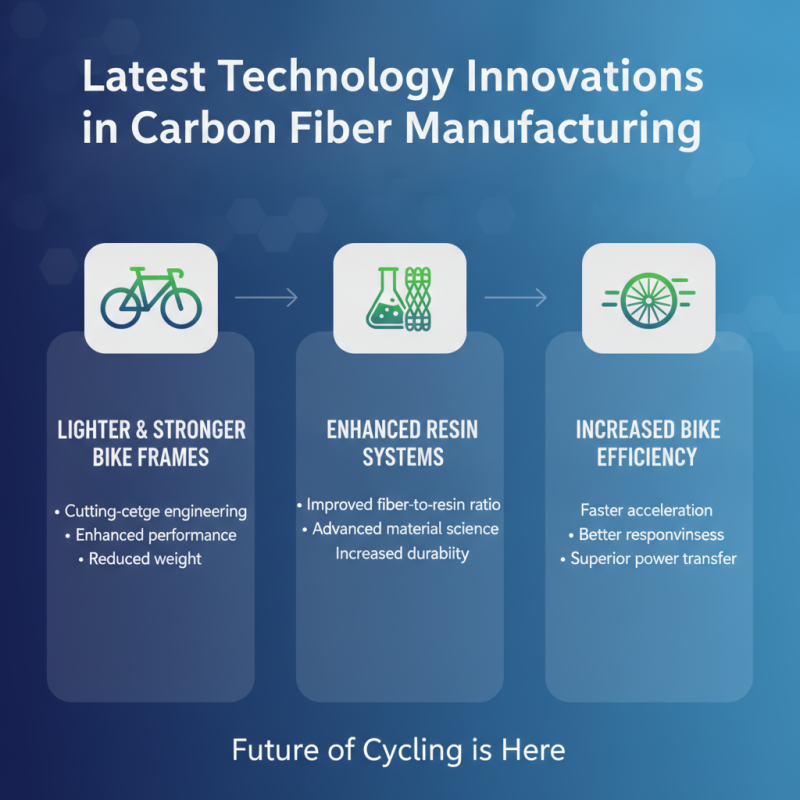
The realm of carbon fiber manufacturing has seen significant advancements recently. Engineers are using cutting-edge technology to create lighter and stronger bike frames. This process enhances performance while reducing overall weight. Enhanced resin systems are now used, which help achieve better fiber-to-resin ratios. This change contributes to the bike's efficiency and responsiveness.
One fascinating development is the use of 3D printing in carbon fiber structures. This innovation allows for complex geometries that reduce material waste. However, while these methods promise high performance, they also raise concerns about consistency and reliability. Riders must seek out testing results to ensure safety. Additionally, the production processes can leave room for errors, challenging manufacturers to maintain quality.
Another area of innovation is automated fiber placement. This technique ensures precise alignment of fibers during the manufacturing process. Though it greatly improves strength, it can be costly and may influence the bike's market price. Cyclists may hesitate to invest in these high-tech bikes without clear performance benefits. As technology evolves, continual assessment of these features will be crucial for informed buying decisions.
Impact of Fork Geometry on Road Bike Performance and Comfort
The geometry of a road bike's fork significantly influences its performance and comfort. A study by the Bicycle Engineering Association indicates that fork rake and offset can affect handling characteristics. For instance, a steeper rake enhances responsiveness during sharp turns. Conversely, a slacker rake improves stability on straight roads. Understanding these dynamics is crucial for buyers aiming to enhance their riding experience.
Fork length also impacts rider comfort. A longer fork can raise the front of the bike, shifting the rider’s weight. This adjustment might alleviate strain on the back and shoulders. According to a report from the Cycling Fitness Council, nearly 65% of riders experience discomfort due to improper geometry. Riders must consider their personal anatomy and riding style to choose the right configuration.
Weight distribution is another essential factor. An asymmetrical fork design can lead to uneven weight balance. This imbalance often results in slower speeds and less control. Reports suggest that keeping a neutral weight distribution improves handling. A well-designed fork geometry accommodates diverse terrain and riding conditions, ultimately enhancing performance on every ride.
Industry Trends: Popularity and Market Demand for Carbon Forks in 2026
The popularity of carbon forks in road bikes continues to rise in 2026. Riders seek lighter frames and enhanced performance. Carbon forks provide significant weight savings. This trend allows for greater speed and agility on the road. Manufacturers recognize this demand, innovating with new designs and technologies. They focus on improving durability while maintaining a lightweight structure.
Market research indicates a growing acceptance of carbon forks among cyclists. Many riders report a noticeable improvement in their biking experience. The enhancing shock absorption of these forks results in a smoother ride. Yet, some cyclists express concerns over the cost and potential fragility. Not all carbon products are created equal. Riders must consider their needs and riding style when selecting a fork.
As the industry evolves, safety remains paramount. Public awareness about proper maintenance is essential. Many users overlook the importance of checking for damage regularly. Carbon components can be vulnerable to impacts, requiring careful attention. The growing market for carbon forks emphasizes the need for informed choices. Ultimately, understanding these factors leads to better cycling experiences.