Top 2025 Coil Fork Guide Everything You Need to Know About Choosing One
When it comes to mountain biking, the importance of a high-quality suspension system cannot be overstated, and one of the key components in this system is the coil fork. The right coil fork can significantly enhance your riding experience by providing superior control and comfort over rough terrain. In this guide, we delve into everything you need to know about choosing the ideal coil fork for your bike. Whether you're a seasoned rider or a novice looking to upgrade, understanding the intricacies of coil forks is essential.
Selecting a coil fork involves considering factors such as weight, travel distance, and compression settings. Each of these elements plays a critical role in how the fork performs on various trails and conditions. As we explore the top options available for 2025, this guide will equip you with the knowledge to make an informed decision that aligns with your riding style and preferences. From understanding the benefits of coil springs to evaluating the technical specifications, our comprehensive overview will ensure you find the perfect coil fork to elevate your biking adventures.

Understanding Coil Forks: Definition and Functionality
Coil forks are a key component in the world of cycling, providing riders with a reliable suspension system for a smoother and more controlled ride. These forks utilize a coil spring mechanism, which offers a consistent performance across various terrains. Unlike air forks, which can be adjusted with air pressure, coil forks maintain a linear spring rate, making them particularly advantageous for riders who prefer a more traditional feel and dependable comfort on rough trails.
When choosing a coil fork, it’s crucial to consider the travel length and weight capacity, as these factors significantly influence handling and stability. Riders should also evaluate the fork's preload adjustment to accommodate their weight and riding style. Proper setup can enhance performance and ensure that the fork absorbs bumps effectively, thus improving overall ride quality.
**Tips:** Always test ride a bike with the fork before making a decision. Pay attention to how it feels over various obstacles – a well-matched fork should enhance your confidence and control on the trail. Additionally, invest time in adjusting the fork settings to suit your personal preferences, as this can dramatically change your riding experience for the better.
Top 2025 Coil Fork Guide - Everything You Need to Know About Choosing One
| Feature |
Description |
Importance |
| Spring Rate |
The stiffness of the coil spring, affecting how much it compresses under weight. |
Determines ride comfort and control. |
| Travel |
The distance the fork can compress, allowing for absorption of bumps. |
Impact on smoothness during rides, especially on rough terrain. |
| Air Volume Adjustability |
Ability to change the air spring's volume for tuning performance. |
Helps optimize for different riding styles and conditions. |
| Weight |
The total weight of the fork, impacting overall bike performance. |
Affects agility and ease of handling. |
| Damping System |
Controls the speed at which the fork compresses and rebounds. |
Crucial for stability and shock absorption. |
Key Features to Consider When Choosing a Coil Fork
When selecting a coil fork for your mountain bike, several key features are essential to consider to ensure optimal performance and comfort. First, you should look at the spring rate, which determines how the fork will respond to different terrain. A stiffer spring may be better for heavier riders or aggressive riding styles, while a softer spring may be suited for lighter riders or those who prioritize comfort. Adjustability is also a crucial factor; many coil forks come with adjustable preload, allowing you to fine-tune the spring’s tension to match your weight and riding style.
Stanchion diameter is another important feature to assess. Thicker stanchions provide better stiffness and control while descending rugged trails, enhancing overall bike stability. Additionally, consider the travel range of the fork, which affects how much impact it can absorb during rough rides. More travel typically equates to a plusher ride and improved capability over obstacles. Finally, it's vital to evaluate the fork's damping system, as it impacts responsiveness and handling. A well-designed damping system can help manage the fork’s compression and rebound, ensuring that you'll have a smoother and more controlled ride regardless of the terrain.
Top 2025 Coil Fork Features Comparison
Comparative Analysis: Coil Forks vs. Air Forks
When considering suspension options for mountain biking, a critical debate arises between coil forks and air forks.
Coil forks utilize a spring mechanism to absorb shock, providing a consistent feel over rough terrain. They excel in downhill performance, offering better control during aggressive descents and stability when hitting obstacles.
In contrast, air forks rely on air pressure to achieve the desired stiffness, allowing riders to adjust the fork's feel to accommodate varying riding styles and weight.
According to data from the International Mountain Bicycling Association, riders have reported that 68% prefer coil forks for their reliability and overall plushness in rugged conditions.
Tips: If you’re frequently tackling downhill trails, consider investing in a coil fork for its superior performance under heavy loads.
However, for those who prioritize adjustability and lighter setups, an air fork may be more suitable.
When making your choice, evaluate your riding style, the terrain you most often encounter, and your personal preferences regarding maintenance and weight.
As you weigh your options, it’s crucial to consider that coil forks typically require less frequent service than air forks, as they don’t rely on precision air chambers that can leak over time.
Data from cycling performance studies indicate that riders using coil forks report a 25% lower failure rate compared to their air counterparts.
Therefore, for long-term reliability, a coil fork may be the best investment for serious mountain bikers.
Maintenance Tips for Your Coil Forks to Ensure Longevity
Maintaining your coil forks is crucial for ensuring their longevity and optimal performance. Regular maintenance can significantly reduce wear and tear, enhancing the overall ride quality. According to the Mountain Bike Association, improper maintenance contributes to nearly 30% of failures seen in suspension systems, leading to costly repairs and reduced riding efficiency. To keep your coil forks in top shape, dedicating time to routine checks and servicing can prevent these issues.
One key maintenance tip is to regularly inspect the seals and bushings for any signs of wear or damage. The International Mountain Bicycling Association suggests replacing worn seals at least once a year, or more frequently if you ride in harsh conditions. Additionally, keeping your coil fork clean is vital; dirt and grime can cause internal damage over time. A simple wash with mild soap and water, followed by drying and lubrication with a proper grease, can protect the components.
Furthermore, lubricating the fork every few rides can help ensure smooth operation and reduce friction, which is essential for achieving optimal suspension performance.
Lastly, careful adjustment of the preload settings based on your weight and riding style can prolong the lifespan of your coil forks. A study from the Bicycle Suspension Report indicates that correctly setting preloads can enhance stability and control, thereby reducing the chances of overworking the fork’s internals. Following these maintenance tips will not only extend the life of your coil forks but also improve your overall cycling experience.
Top Brands and Models of Coil Forks for 2025
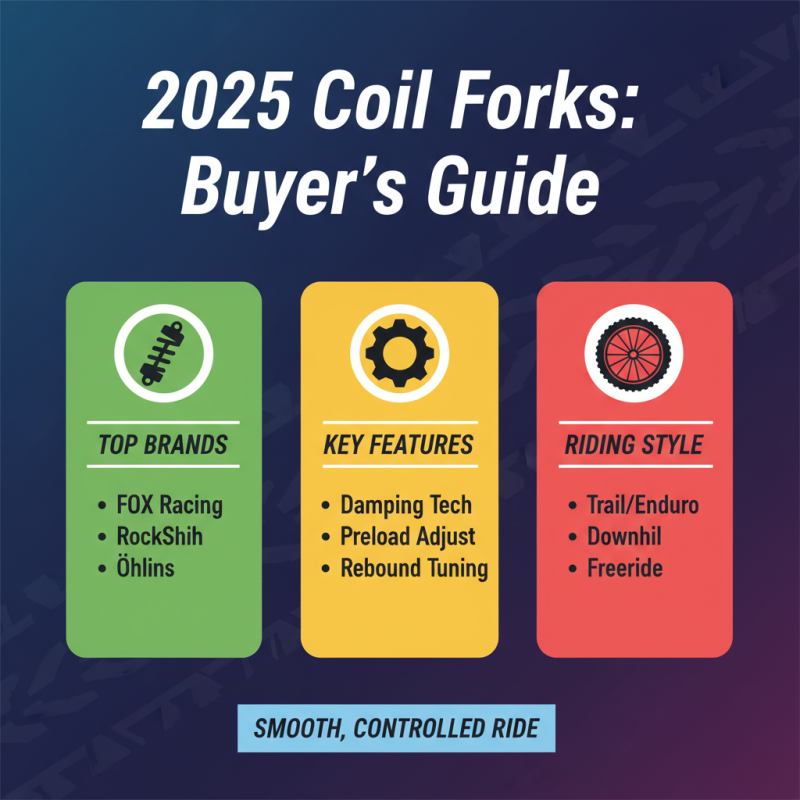
When selecting a coil fork for your bike in 2025, it’s crucial to consider the available brands and models that align with your riding style and preferences. Many leading manufacturers are known for their high-quality suspension systems that provide a smooth and controlled ride. These brands often integrate advanced technologies into their coil forks, enhancing performance through improved damping and adjustability. While exploring options, riders should look for features such as air volume spacers, preload adjustments, and rebound tuning, which can significantly affect ride quality.
The variety of models within these brands caters to different types of terrains and rider preferences. For example, some models are specifically designed for cross-country riding, prioritizing lightweight construction and efficiency, while others focus on downhill or aggressive trail riding, offering stronger damping capabilities and durability. Evaluating the specifications, such as travel length and coil spring rate, allows riders to find the perfect match for their specific needs. Ultimately, testing out different models when possible can help you make an informed decision, ensuring your coil fork enhances your cycling experience in 2025.